

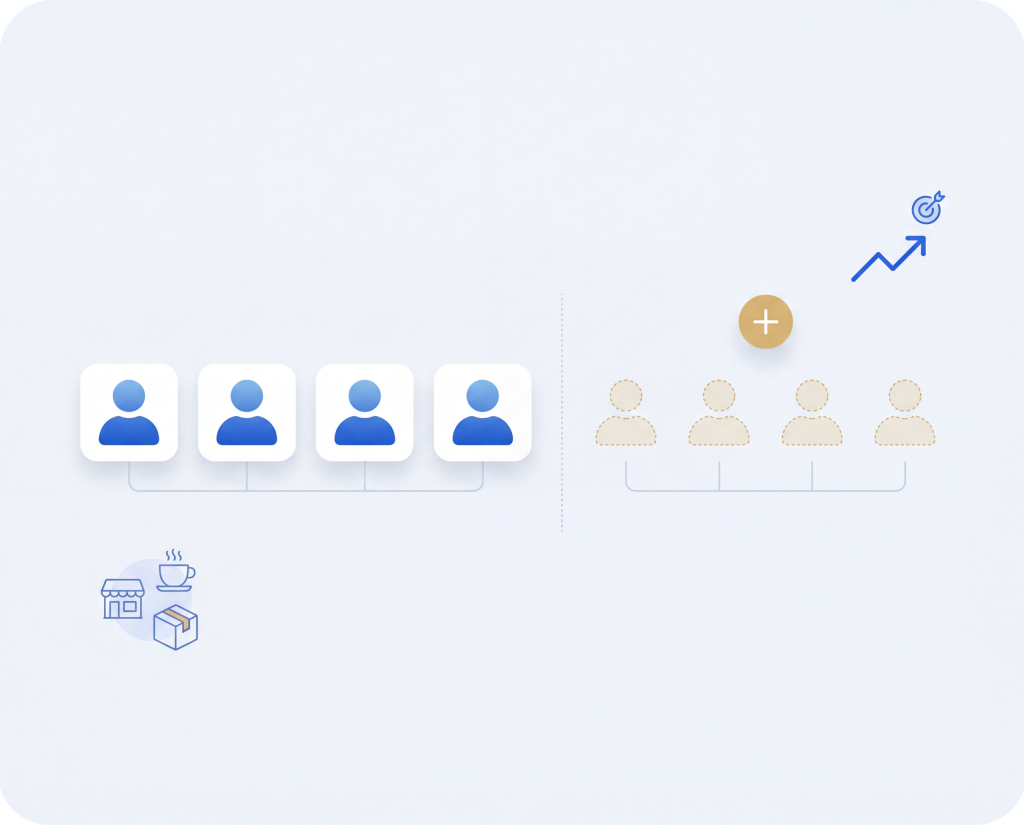
Workforce Planning helps growing companies hire with more structure and less guesswork. Most businesses do not struggle because they hire too little. They struggle when hiring happens faster than planning, teams grow without clear direction, and headcount decisions are made without tying them to real business needs.
That is why workforce planning matters. It connects hiring to business goals, helping companies grow with the right people, at the right time, and for the right reasons. Instead of reacting to growth as problems appear, businesses can plan ahead, build stronger teams, and make hiring decisions that support operations.
In this article, we will break down what workforce planning means, why it matters for growing companies, and how to align hiring with business goals more effectively.
Why Workforce Planning Matters
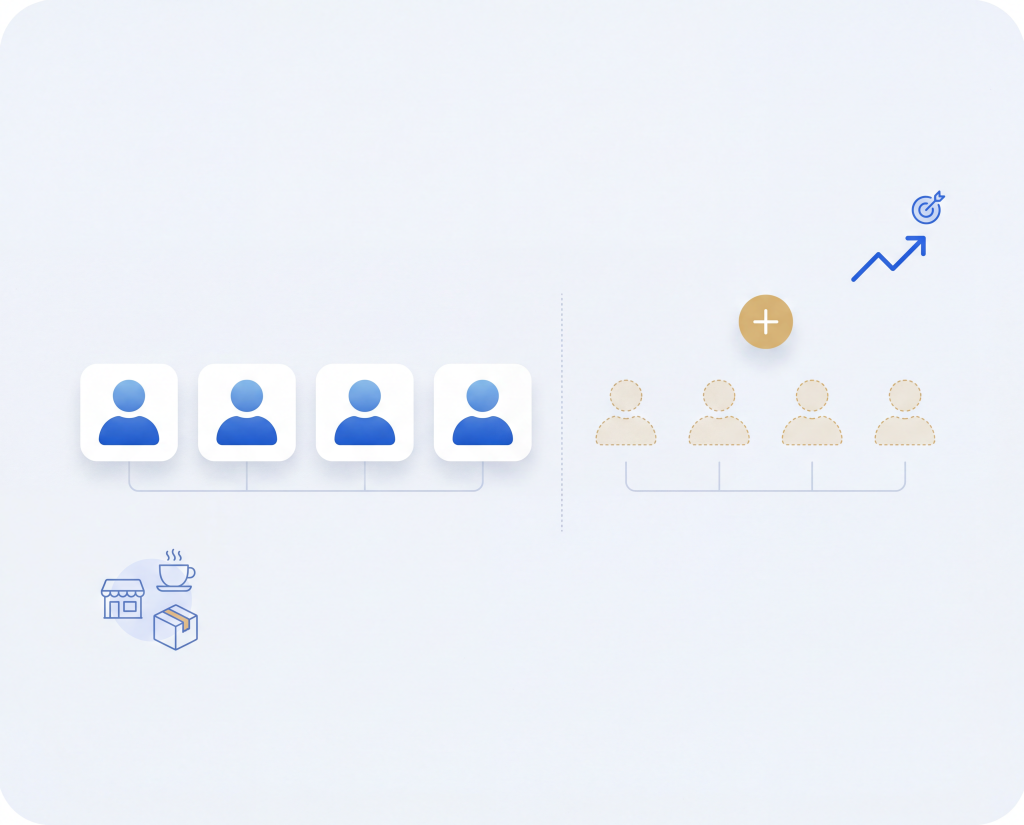
No matter how big an idea, a business goal is only attainable when the right people come to hand at the predesigned time. Whether it is due to increasing sales, customer demand, or opening a new site, the recruitment must align with those changes. If not, the company could add people too late or in the wrong roles, and also overload existing teams by keeping them waiting for substitutes.
This is why planning should always start with the business outcome instead of a job listing. Such skill recognition is essential in companies with shift-based or frontline teams. Staffing gaps manifest quickly in those environments, impacting service levels and increasing overtime or absenteeism, which in turn influences payroll pressure.
Bluworks assists organizations in assigning shifts and locations, and in informing employees of instant notifications when their schedules change, so managers can adjust shifts through a web dashboard or mobile app. It further claims that workers can punch in and out from their phones via geo-fencing, with managers able to see attendance by day, location, or employee.
Workforce Planning Step-by-Step
Step 1: Start With Business Goals
The first question is simple: what is the company trying to achieve this quarter, this year, and over the next growth stage? A workforce plan should support those goals directly.
If the business wants to expand into new locations, the plan should reflect site readiness. If the priority is better service, the plan should account for coverage, shift stability, and faster response times. If the goal is margin improvement, the plan should address labor costs, overtime, and scheduling efficiency.
This is where workforce planning becomes more than HR administration. It becomes a business tool.
The strongest plans translate strategy into staffing needs. That means connecting revenue targets, operating hours, service levels, and expected demand to the number of people and roles the company will need. It also means deciding what must be hired now, what can wait, and what can be handled by internal movement or schedule adjustments.
Step 2: Review Current Capacity
Once the goal is clear, review what the company already has. Look at current headcount, role coverage, skill mix, vacancy rates, turnover patterns, leave trends, and attendance reliability.
A good plan starts with reality, not assumptions. If a team is already stretched by absenteeism or high churn, the business may need more than a hiring plan; it may need a staffing stabilization plan first. The December 2025 BLS release also shows that hires and separations remained at 5.3 million each that month, a reminder that the labor market remains active even when job openings fall.
This is where a platform like Bluworks can help keep the picture clean. Bluworks centralizes attendance records, leave balances, schedules, payroll-linked incentives and penalties, and employee documents in one place.
It also says managers can set compliant leave policies, track prorated leave balances, and approve requests directly from a phone. That kind of visibility helps leaders see whether a staffing issue is actually a hiring issue or whether it is a scheduling and process issue first.
Step 3: Forecast Demand Before You Hire
A growing company should not hire only after gaps appear. It should forecast demand in advance. That means looking at expected sales, production volume, site expansion, seasonal peaks, client commitments, and operational changes.
The goal is to estimate how many people are needed, in which roles, and by when. When hiring follows demand instead of guessing at it, teams avoid both overstaffing and last-minute panic hiring. That is the practical heart of workforce planning.
Step 4: Match Hiring To Operating Reality
The next step is to convert demand into a hiring plan that fits the business’s operating model. For some companies, that means hiring ahead of a new launch. For others, it means filling critical shifts first, then adding supporting roles later. Either way, the plan should be linked to the way work is scheduled and delivered.
Bluworks supports schedule creation, shift assignment, instant schedule-change notifications, attendance control with geo-fencing, and document storage for employee files. It also says it supports onboarding through account setup, manager and employee onboarding, profile creation, document upload, and role assignment.
That matters because hiring is only useful when new people can be brought into the workflow smoothly and consistently.
This is also where companies can reduce friction between HR and operations. If managers know where coverage is weak, HR can prioritize the right roles first. If leave data is current, hiring can account for real availability. If attendance patterns are visible by location, leaders can identify whether one site needs more staffing support than another. Bluworks provides that shared view in real time.
Step 5: Build Flexibility Into The Plan
Growing companies need plans that can adapt. Markets change. Demand changes. Projects move. People leave. A rigid hiring plan breaks the moment the business shifts. A better approach is to build in review points, backup coverage, and clear triggers for adjusting headcount.
That may include earlier hiring for critical roles, later hiring for lower-priority roles, or stronger use of scheduling controls to manage short-term pressure.
SHRM’s 2025 Talent Trends report found that organizations with flexible work arrangements reported having less trouble recruiting than those without, another sign that flexibility helps companies stay competitive.
Bluworks can also help companies keep up as they grow, follow internal policies and local laws, and avoid extra effort in compliance management. It states that organizations can see attendance patterns, monitor labor costs by location, and catch operational gaps before they become problems.
For a growing company, that kind of visibility supports better staffing decisions because hiring stops being disconnected from daily execution.
Step 6: Measure Whether Hiring Is Supporting Growth
Hiring should not be judged only by whether a role was filled. It should be judged by whether the hire helped the business move forward.
Did service improve? Did overtime drop? Did schedule coverage get more stable? Did leave handling become easier? Did payroll close faster? These are the questions that show whether the workforce plan is working in practice.
With Bluworks, customers can see up to 50% reduction in payroll closing time and up to 15% labor cost savings, and those claims fit the broader idea that workforce visibility can improve operational control.
Used carefully, those kinds of gains can help a growing company reinvest time and money where it matters most: growth, service, and stability.
A Simple Workforce Planning Checklist
A practical plan should answer five questions:
- What business goal are we supporting?
- What roles are essential?
- What capacity do we already have?
- Where are the biggest risks?
- How will we review and adjust the plan?
If you can answer those clearly, hiring becomes far more strategic.
The best plans also keep records organized. Bluworks stores employee documents in one profile, alerts teams about missing or expiring documents, and gives access from anywhere.
For growing companies, that kind of structure helps keep workforce decisions grounded in reliable information instead of scattered spreadsheets.
Conclusion
When hiring is tied to business goals, growth becomes easier to manage and much less reactive. That is the value of workforce planning: it helps leaders make staffing decisions with clarity, confidence, and control. Bluworks supports that approach with practical tools for scheduling, attendance, leave, document storage, and compliant workforce management, helping companies stay organized as they scale.
Frequently Asked Questions
What Is Workforce Planning In A Growing Company?
It is the process of aligning headcount, skills, and scheduling with business goals so the company can grow without creating staffing gaps or unnecessary labor costs.
How Often Should A Workforce Plan Be Reviewed?
At least once a quarter, and more often during rapid growth, site expansion, or seasonal demand shifts. The labor market changes quickly, so the plan should stay current.
What Data Should Be Used In Workforce Planning?
Use current headcount, vacancy rates, attendance patterns, leave trends, turnover, business forecasts, and operating schedules. That gives leaders a more accurate view of real capacity.