

The recruitment process gets harder the bigger a company gets. Businesses need to fill more roles while still making sure they’re actually bringing in people with the right skills and experience, not just warm bodies to fill a seat.
Without a clear recruitment process, hiring gets inconsistent and time-consuming fast. Job openings sit vacant too long, hiring managers end up using completely different evaluation methods from each other, and strong candidates lose interest somewhere in a slow, confusing process that never quite tells them where they stand.
A structured recruitment process gives growing companies a repeatable way to find, evaluate, and actually hire the right people. It also makes it a lot easier to see what’s working and improve things over time, rather than just repeating the same mistakes with each new opening.
Why Growing Companies Need a Structured Recruitment Process
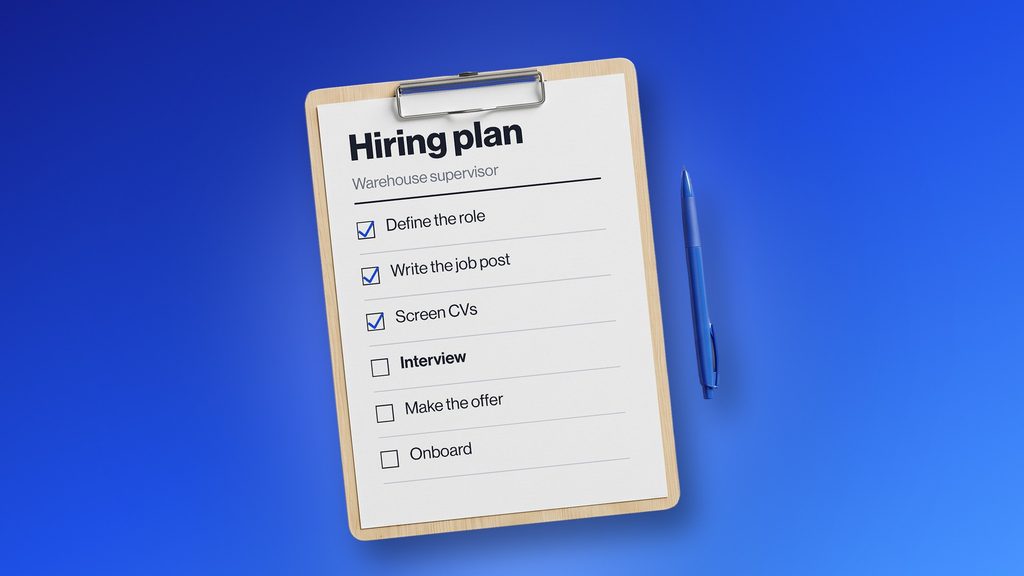
As a business expands, recruitment usually gets more complicated. HR teams end up managing several open positions at once while working across different hiring managers and departments, each with their own preferences.
A structured process can help companies:
- Manage multiple vacancies more efficiently
- Create consistency across hiring decisions
- Reduce unnecessary hiring delays
- Improve the candidate experience
- Give hiring managers clear responsibilities
- Reduce the risk of poor hiring decisions
- Track recruitment performance
- Prepare for future workforce growth
The goal isn’t making every single hire identical. It’s building a reliable framework that can flex to fit different roles without starting from scratch each time.
8 Steps to Build an Effective Recruitment Process
1. Identify Hiring Needs Clearly
Every recruitment process should start with actually understanding why the company needs to hire in the first place.
Is the role replacing someone who left? Is the business expanding? Has the workload genuinely increased? Or does the company need new skills to support something coming up down the line?
Answering these questions shapes what kind of candidate the business actually needs.
Before advertising a position, define:
- Main responsibilities
- Required skills
- Experience
- Qualifications
- Reporting structure
- Employment type
- Expected start date
Hiring needs should also connect to broader workforce planning. That helps businesses avoid rushed hiring decisions and ensures new positions support where the company’s headed, not just plug a gap.
2. Create Clear Job Descriptions
A job description is often a candidate’s first introduction to the role and the company.
It should clearly explain what the employee will actually be expected to do, and what qualifications are genuinely required — not a wish list.
A strong job description should include:
- Job title
- Main responsibilities
- Required qualifications
- Essential skills
- Preferred experience
- Working arrangements
- Benefits or development opportunities
Avoid tacking on requirements just because they sound impressive on paper. Unnecessary qualifications can quietly shrink the pool of genuinely suitable candidates who bother applying at all.
Clear job descriptions also help hiring managers actually evaluate candidates against the real requirements of the position, rather than a vague gut feeling.
3. Choose the Right Recruitment Channels
Not every position should get advertised the exact same way.
Different roles tend to attract better candidates through different channels, including:
- Job boards
- Company careers pages
- Social media
- Employee referrals
- Recruitment agencies
- Professional networks
The goal isn’t generating as many applications as humanly possible. A huge pile of applications doesn’t necessarily mean the recruitment campaign’s actually working.
Instead, track which channels produce genuinely qualified candidates and successful hires. Over time, that information helps the company focus its recruitment budget and effort where it’s actually making a difference.
4. Build a Consistent Screening Process
Once applications start rolling in, HR teams need a reliable way to identify candidates who actually meet the basic requirements.
Start by defining screening criteria based on the job description itself — relevant experience, technical skills, qualifications, or other essential requirements.
Using consistent criteria cuts down on subjective decisions and makes comparing candidates a lot easier.
Depending on the role, companies might also use screening calls, skills assessments, or practical tasks before moving candidates forward to the interview stage.
The key’s making sure the screening process is genuinely relevant to the position, and doesn’t create unnecessary hurdles for candidates who’d actually be great at the job.
5. Structure the Interview Process
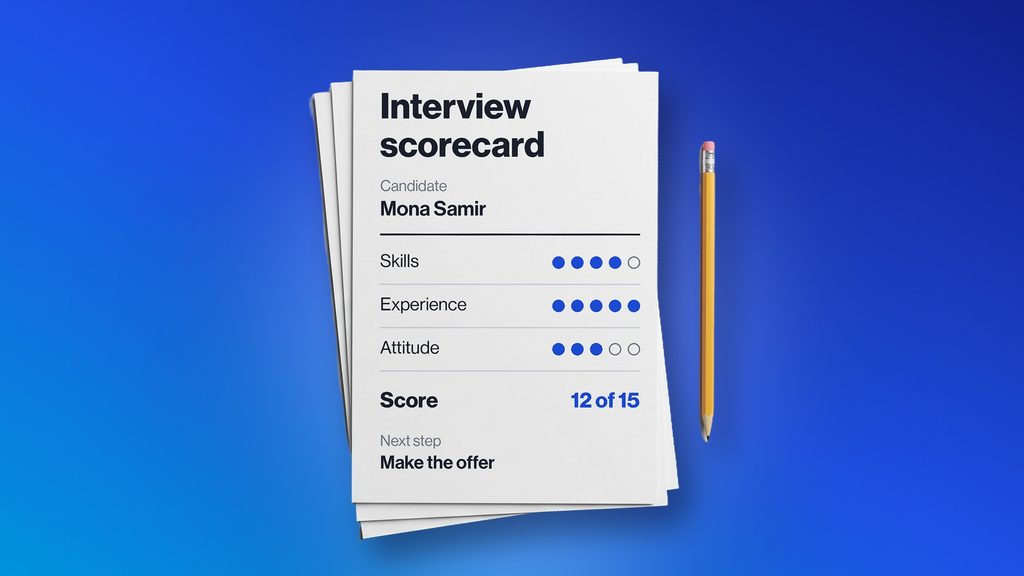
A structured interview process helps both candidates and hiring teams alike.
Before interviews begin, decide:
- How many interview stages are actually necessary
- Who will participate
- What questions will be asked
- How candidates will be evaluated
- Who will make the final decision
Interview questions should cover the skills and behaviors that genuinely matter for the role. Depending on the position, that might mean technical knowledge, problem-solving, communication, leadership, or teamwork.
Using consistent questions where it makes sense also makes comparing candidates a lot more straightforward afterward.
At the same time, avoid building an unnecessarily long interview process. Too many stages just slow down hiring, and can push strong candidates toward accepting another offer while they wait.
6. Evaluate Candidates Objectively
Hiring decisions get inconsistent fast when every interviewer’s working off their own personal criteria.
A standardized evaluation process helps here.
Companies can use scorecards or defined evaluation criteria to assess candidates on things like:
- Relevant skills
- Experience
- Technical ability
- Communication
- Problem-solving
- Role-specific competencies
- Overall fit with the position
Interviewers should actually record their assessments rather than relying purely on memory or a vague personal impression days later.
That gives the hiring team a much clearer basis for discussion, and helps make sure decisions actually connect back to the requirements of the job, not just who happened to be likeable in the room.
7. Make Offers and Communicate Clearly
Once a candidate’s been chosen, the process shouldn’t suddenly grind to a halt.
Delays between the final interview and the actual offer give candidates time to reconsider, or accept something else that moved faster.
When making an offer, clearly communicate the important details — compensation, benefits, start date, working arrangements, role expectations, and required documents.
Communication matters when a candidate isn’t selected too. Keeping unsuccessful candidates informed creates a more professional experience, and protects the company’s reputation as an employer worth applying to again in the future.
8. Connect Recruitment With Onboarding
Recruitment shouldn’t just end the moment a candidate accepts the offer.
A new employee needs a genuinely smooth transition into the organization. HR and managers should prepare the necessary documents, equipment, system access, introductions, and first-week activities before that person even starts.
This can include:
- Employee documentation
- Equipment and accounts
- Team introductions
- First-week schedules
- Training
- Role expectations
Connecting recruitment with onboarding also cuts down on duplicate data entry. Information collected during hiring can carry straight into the employee’s records rather than getting typed in all over again manually.
Key Metrics to Track in Your Recruitment Process

Growing companies should actually use recruitment data to understand how efficiently they’re hiring, rather than just going on gut feeling.
Important metrics include:
- Time to hire — how long it takes to move a candidate through the process
- Time to fill — how long a position stays open before it’s actually filled
- Cost per hire — the total cost tied to recruiting each new employee
- Application-to-interview rate — what percentage of applicants make it to the interview stage
- Interview-to-offer rate — how many interviewed candidates actually receive offers
- Offer acceptance rate — how often candidates actually accept the offers made
- Source of hire — which recruitment channels are actually producing successful hires
- Quality of hire — how well new employees actually perform after joining
- Early turnover — how many new employees leave shortly after being hired
These metrics can reveal where the recruitment process is genuinely working well, and where it needs improvement.
How bluworks Can Support Growing Companies
Recruitment is really just one part of a much bigger employee lifecycle.
As businesses grow, they need HR processes that support employees well beyond the hiring stage. bluworks helps organizations centralize employee information and manage key workforce processes in a more organized way.
That cuts repetitive admin work, improves workforce visibility, and makes it easier for HR teams to actually manage employees as the company expands.
For businesses wanting more connected HR operations, exploring how bluworks fits into the employee lifecycle is a genuinely useful next step.
Conclusion
An effective recruitment process gives growing companies a consistent way to find, evaluate, and hire the right people while avoiding unnecessary delays along the way.
Clear hiring needs, strong job descriptions, structured screening and interviews, objective evaluations, good candidate communication, and a smooth onboarding process all add up to better hiring outcomes overall.
As hiring activity increases, technology can also help HR teams keep things organized without relying on ever-increasing amounts of manual work.
bluworks can help businesses build a more connected approach to workforce management as they grow.
Frequently Asked Questions
What are the main steps in an effective recruitment process?
The main steps include identifying hiring needs, creating a clear job description, sourcing candidates, screening applications, conducting structured interviews, evaluating candidates, making an offer, and transitioning new hires into onboarding.
How can growing companies make recruitment more efficient?
Companies can improve efficiency by standardizing hiring workflows, using templates, automating repetitive tasks, centralizing candidate information, clearly defining responsibilities, and actually tracking recruitment metrics rather than guessing.
How does HR software support the recruitment process?
HR technology can centralize workforce information, automate administrative tasks, improve communication, track hiring activity, standardize workflows, and connect recruitment with onboarding and broader employee management.