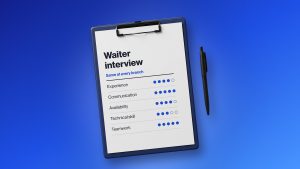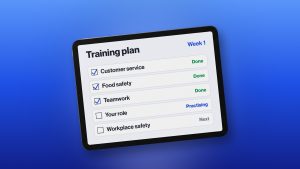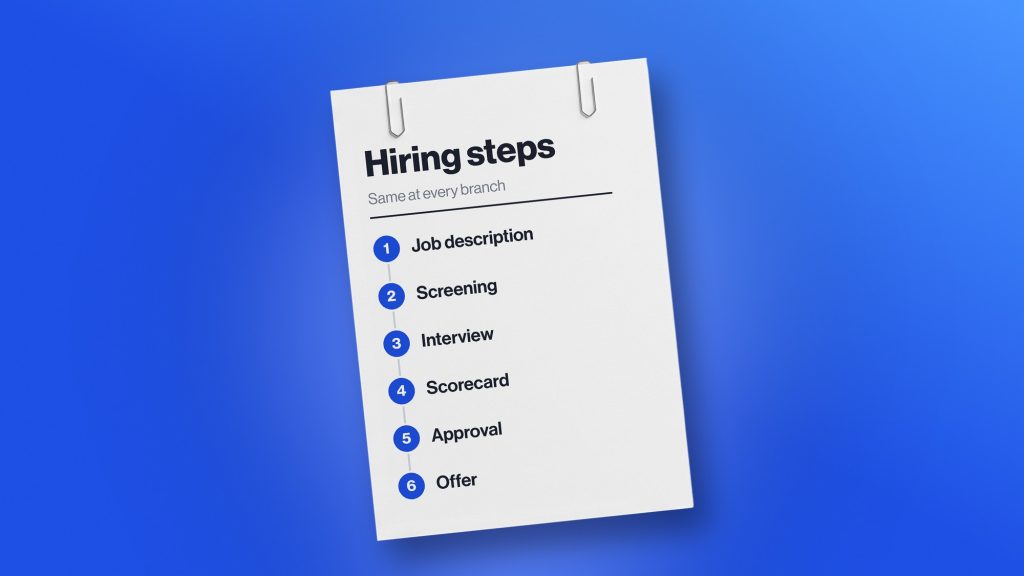
A few hires for one restaurant, you can manage on instinct. Someone quits, you post a job, you talk to a few people, you pick one. Fine. But grow past a single location, and that approach falls apart fast. More branches means more openings at once, more applicants to sort through, more managers suddenly making hiring calls on their own judgment.
The process that worked for branch one doesn’t scale to branch five. Without something written down, every manager ends up running their own version — different job descriptions, different interview questions, different ideas of what “good enough” even means. Nobody’s wrong exactly, but nobody’s aligned either.
A scalable hiring process is what keeps growth from turning into chaos. Structured enough to stay consistent, loose enough to actually fit different roles and different branches.
Building a Scalable Restaurant Hiring Process
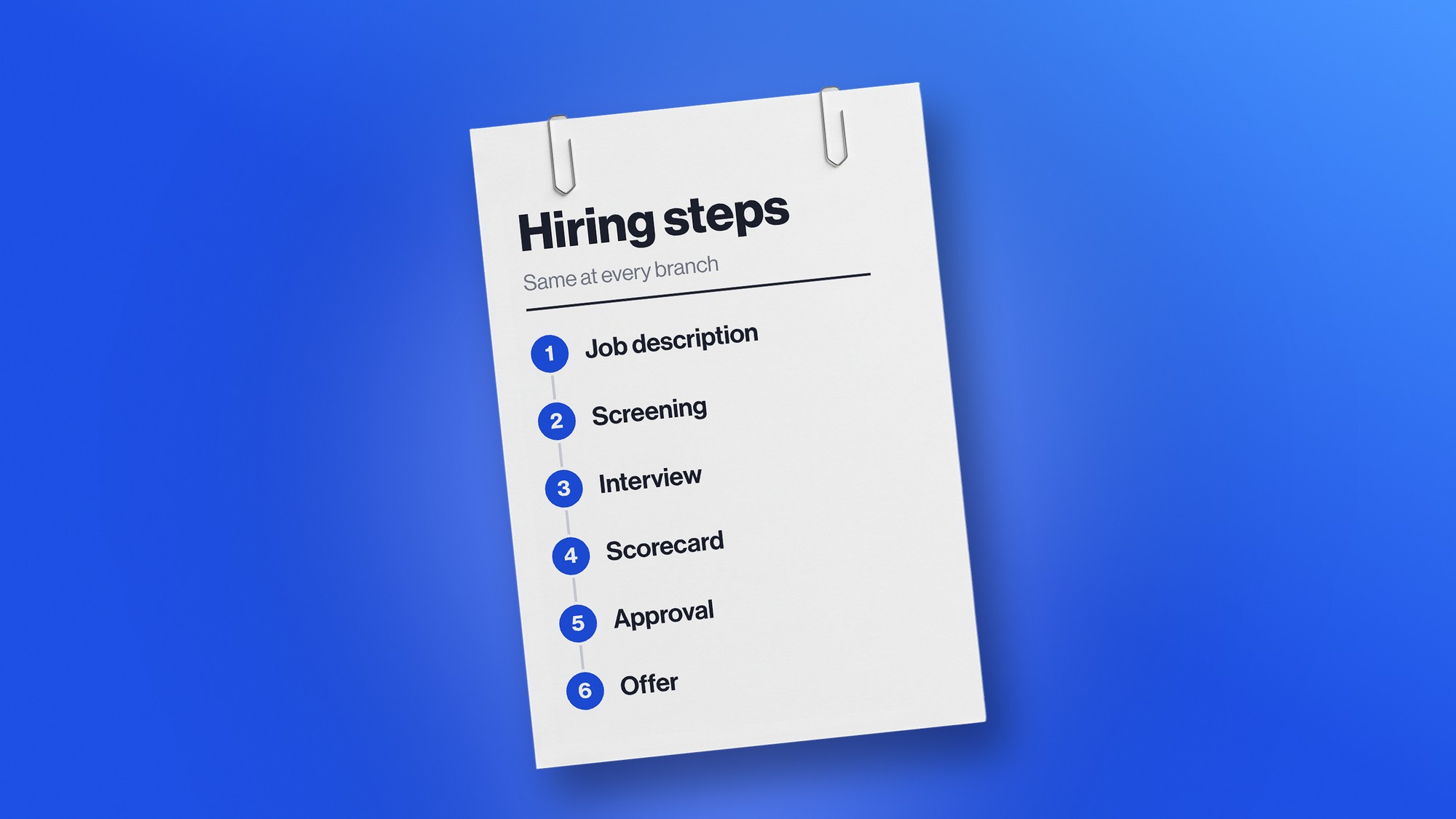
The point of a scalable restaurant recruitment process is that it’s repeatable. Instead of building a new approach every time a position opens, HR and managers follow the same basic steps regardless of which role or which location.
Here’s what actually makes that work.
Standardize the Recruitment Process
Start here. Standardizing doesn’t mean every role gets treated identically — a cook and a cashier obviously need different things — but the underlying structure should look the same no matter who’s hiring or where.
Worth locking down:
- Job descriptions and role requirements
- Application and screening steps
- Interview questions
- How candidates actually get evaluated
- Approval and hiring steps
- How candidates are communicated with
Cooks, waiters, cashiers, supervisors — different requirements, sure, but all of them can still run through the same basic recruitment stages.
This also makes onboarding new managers far simpler. Instead of leaving them to build their own system, you give them one that already works.
That matters a lot more once new branches start opening, and managers need to hire fast without starting from scratch every time.
Plan Hiring Needs in Advance
Waiting until a position’s already empty means you’re already behind. The smarter move is planning workforce needs before the gap actually opens up.
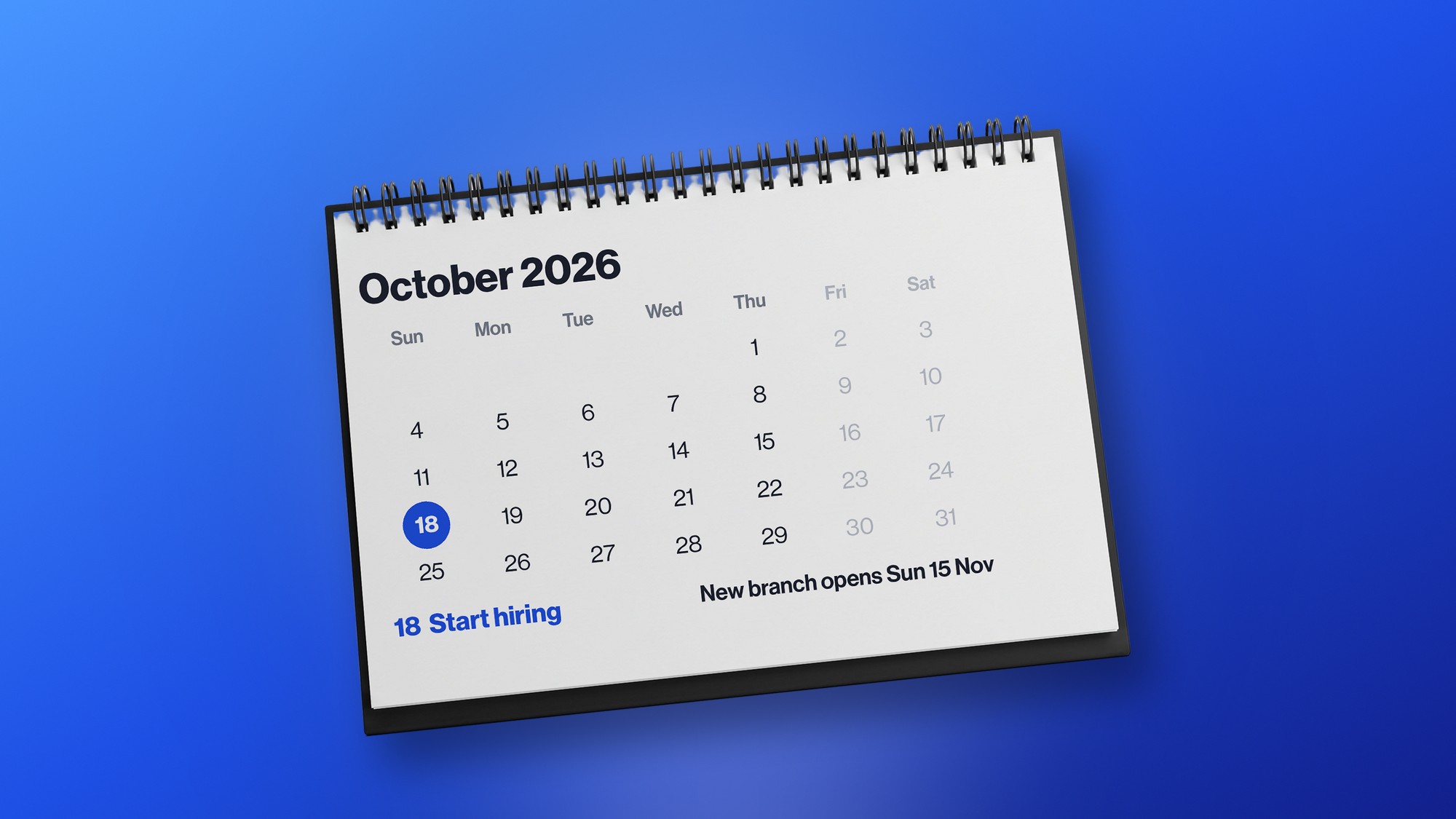
Managers should check staffing regularly and flag roles likely to need filling soon, not scramble once someone’s already walked out the door.
Planning might cover:
- Reviewing current staffing levels
- Spotting roles that turn over constantly
- Getting ahead of seasonal spikes
- Forecasting needs for upcoming new locations
- Planning around expected turnover
- Identifying skills the business will need down the line
A new branch opening, for example, usually needs kitchen staff, waiters, cashiers, cleaners, and a supervisor hired weeks before opening day, not the week before.
Starting early buys managers real time to find good people instead of grabbing whoever’s available the day before launch.
It also keeps the existing team from getting crushed trying to cover shifts with too few hands.
Choose the Right Recruitment Channels
One channel rarely cuts it for a growing restaurant. Lean on just one, and filling roles across multiple branches turns into a slow grind.
Worth combining:
- Online recruitment platforms
- Social media
- Employee referrals
- Local hiring networks
- Recruitment agencies
- Local recruitment events
What works best really depends on the role and the location. Finding an experienced supervisor doesn’t look much like finding entry-level service staff.
Track which channels actually deliver good hires over time. If referrals keep beating everything else, that tells you something worth acting on.
Running several channels at once also gives you a backup when one source suddenly stops producing.
Organize Candidate Information
As vacancies multiply, trying to manage candidates through scattered emails and random spreadsheets stops working pretty quickly.
What’s needed is an actual system that tracks applicants and shows exactly where each one sits in the process.
Worth keeping on record:
- Contact details
- Position applied for
- Relevant experience
- Interview status
- Availability
- Hiring decision
- Follow-up dates
Organized information means good candidates don’t just quietly disappear from the process.
It also speeds up hiring later. Someone who didn’t fit one opening might be exactly right for a different one a few months down the road. A well-kept candidate pool makes that connection obvious instead of relying on someone’s memory.
And naturally, applicant data needs to be stored and used responsibly, following whatever privacy rules apply.
Involve Branch Managers and HR
When multiple people touch the hiring process, unclear ownership slows everything down.
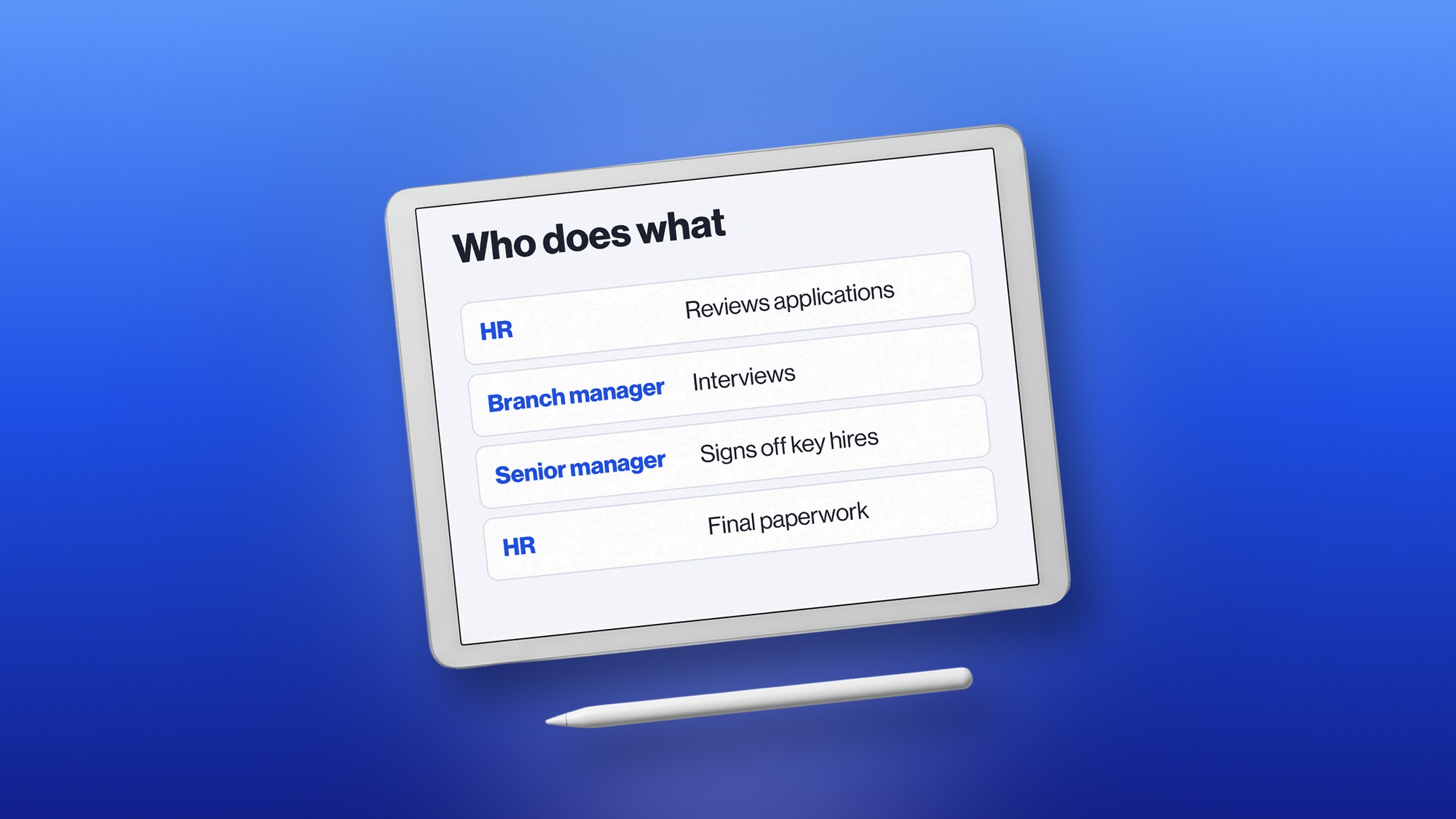
Decide clearly who’s responsible for each stage. Depending on the size of the business, HR might handle applications and first-round screening while branch managers run interviews and make the final call.
A workable split:
- HR or recruitment teams reviewing applications
- Managers running interviews
- Branch leaders checking the practical, role-specific stuff
- Senior management signing off on certain hires
- HR wrapping up the final paperwork
Managers also need basic training on interviewing and evaluation. That keeps hiring decisions grounded in actual skills and requirements, rather than whoever happened to interview well that particular afternoon.
This matters even more when a business is hiring across several locations at once. Everyone involved needs to know exactly what’s theirs to own, and how fast each step should move.
Use Technology to Support Hiring
Technology makes all of this a lot easier to manage, especially once growth picks up speed.
Without a central system, managers end up juggling separate spreadsheets, scattered messages, and paper records — and getting a clear view of staffing across locations becomes nearly impossible.
HR technology pulls employee information and workforce operations into one place and gives managers real visibility into staffing, shifts, and attendance instead of piecing it together by hand.
That visibility feeds directly into recruitment planning. If one location keeps coming up short on staffing, managers can actually see the pattern and figure out whether more hiring’s genuinely necessary.
Bluworks helps businesses manage employee records, shifts, and attendance, giving growing restaurant teams a far more organized way to run their workforce.
Technology should make the process simpler, not add another layer of complexity. The best systems are the ones managers can actually use without a steep learning curve, and that cut admin work rather than piling more on.
Measure and Improve Recruitment
A hiring process isn’t something you build once and leave alone forever. As the business grows, it’s worth reviewing results regularly and figuring out what’s actually working.
A handful of simple metrics tell you most of what you need:
- Time to hire — how long it actually takes to fill an open role. Positions that consistently drag on are worth digging into.
- Number of applicants — whether job postings are pulling in enough interest at all. A low number usually points to the job description, the channel, or the requirements needing a second look.
- Recruitment source — where your best hires actually come from, which tells you where to put more effort.
- New hire retention — whether people actually stick around after being hired. High turnover here usually signals something’s off — expectations, the job description, training, or working conditions.
- Unfilled positions by location — which branches consistently struggle to stay staffed, feeding directly into better workforce planning.
Reviewing these regularly is what turns hiring into something the business actually improves over time, rather than repeating the same process blindly for every single vacancy that pops up.
Conclusion
A scalable restaurant hiring process should make recruitment easier to repeat, not harder, as the business grows. Standardized steps, planning, multiple recruitment channels, organized candidate information, and clear roles all work together to build something stronger.
Technology and HR software like Bluworks helps too — cutting admin work and giving managers real visibility into their workforce. With employee records, shifts, and attendance organized in one place, spotting staffing gaps and planning gets a lot more manageable.
The goal was never to build something complicated. It’s building something clear and repeatable that works today, and keeps working as new employees, new locations, and new responsibilities get added along the way.
Frequently Asked Questions
What is a scalable hiring process?
A recruitment system that can be repeated and expanded as a business grows — clear steps, consistent standards, organized information, with enough flexibility built in for different roles and locations.
How can restaurants manage recruitment across multiple locations?
Standard job descriptions, interview processes, evaluation criteria, and clear responsibilities across branches all help. Centralizing candidate and employee information also makes coordinating recruitment far easier.
How can restaurants reduce the time it takes to hire employees?
Plan vacancies in advance, use multiple recruitment channels, set clear responsibilities, review applications on a regular schedule, and communicate with candidates quickly instead of leaving them waiting.