

Change management is just part of running a business. New technology, restructured teams, new leadership, expansion into new markets, updated ways of working; it’s constant.
These shifts create real opportunities, sure, but they also make people nervous. Will my job change? Do I even have the skills for this? What does this mean for me in the long term? Those questions don’t go away just because leadership announced a strategy.
That’s where HR steps in. Good change management is what helps people understand what’s happening, get ready for new expectations, and feel like someone’s actually got their back through the transition.
This guide covers what change management in HR actually looks like, why it matters, how HR can help people adapt, and where technology fits into the picture.
What Does Changing Management in HR Mean?
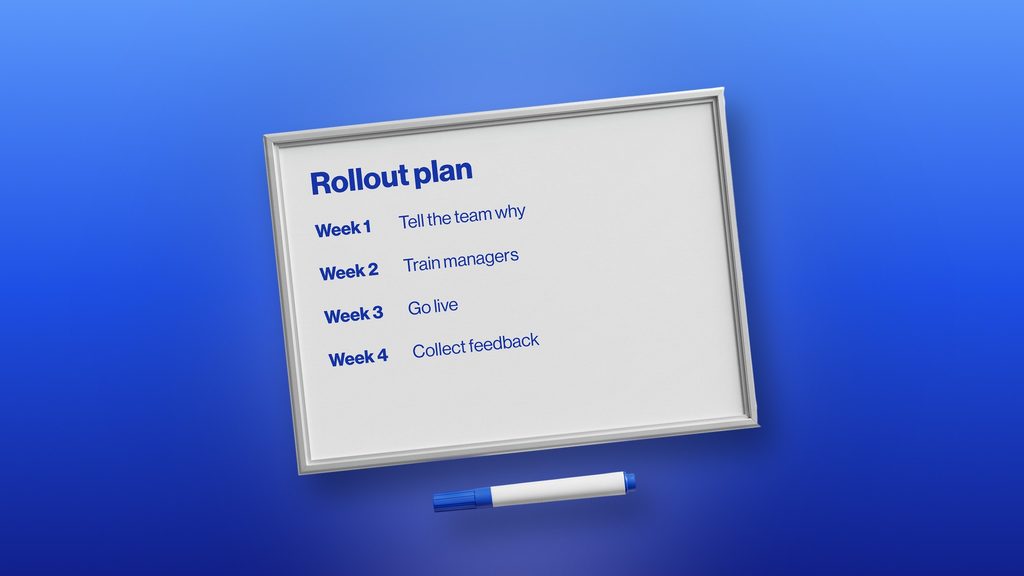
At its core, change management refers to helping an organization and the people in it move from how things work now to how they’ll work next.
Leadership tends to focus on strategy, timelines, and the bottom line. HR focuses on the human side of that same shift. That means helping people:
- Understand why the change is happening
- Know what’s expected of them
- Build any new skills they need
- Adjust to new responsibilities
- Understand how their own role might shift
- Feel genuinely supported through it all
Say a company rolls out a new HR system. Suddenly people need to learn new ways to request leave, pull up information, or complete a review. HR’s job is to explain why, train people, answer questions, and keep an eye on whether it’s actually sticking.
The point was never just launching the new system — it’s making sure people can actually use it.
Why Change Management Actually Matters
A thoughtful approach here pays off for everyone involved:
- Less resistance. Clear communication helps people understand the “why” — and that alone defuses a lot of pushback.
- Better communication overall. Consistent, accurate information builds confidence instead of anxiety.
- Steadier productivity. Training and support keep teams from grinding to a halt mid-transition.
- Stronger engagement. Involving people in the process makes them feel heard, not just informed after the fact.
- More trust. Open communication cuts down on uncertainty and shows people their concerns are actually being taken seriously.
- Faster adoption. People use new systems and processes more readily when they understand them and have real support behind them.
- Smoother continuity. A structured transition avoids a lot of the operational chaos that comes with major change.
How Employees Actually Tend to React
Not everyone responds to change the same way. Some people get genuinely excited about what’s coming; others need time to come around.
Common reactions include:
- Uncertainty about what’s ahead
- Pushback against new processes
- Worry about job security
- Frustration with unfamiliar systems
- A temporary dip in productivity
- Stress from shifting responsibilities
- Genuine excitement about new opportunities
Worth remembering: resistance isn’t automatically a bad attitude. Sometimes it’s pointing at something real — unclear communication, a genuine practical problem, a legitimate concern nobody’s addressed yet.
HR and managers should actually listen before assuming resistance is just something to push through.
The Common Types of Organizational Change
Change shows up in a lot of different forms, and each one hits employees a little differently.
- Technology changes. New HR systems, automation, AI tools — people often need real training to adjust their daily workflow around these.
- Restructuring. Shifts to departments, reporting lines, or team structure. People need clarity on exactly how their own role is affected.
- Mergers and acquisitions. New policies, systems, leadership, and culture all colliding at once — a lot to absorb.
- Leadership changes. A new manager or exec often brings new priorities and expectations. Supporting people through that shift keeps things stable.
- Business expansion. New teams, markets, locations — HR needs to make sure people actually have the skills and resources to keep up.
- Process and policy changes. Updated workflows or procedures. People need practical, specific guidance on what’s actually different now.
How HR Can Actually Help People Adapt to Organizational Change
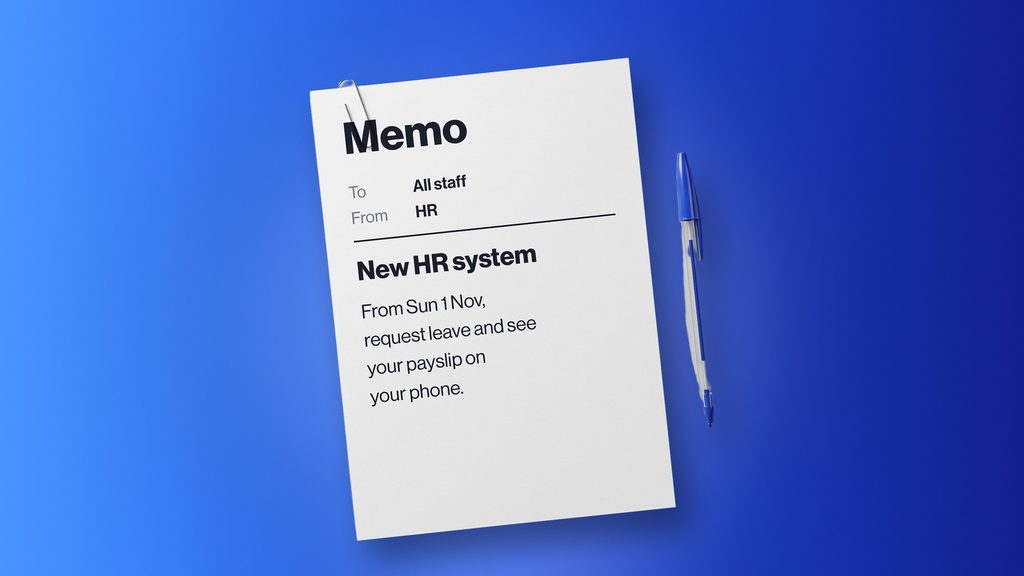
1. Communicate Early and Clearly
Nobody should hear about a big change at the last minute. Explain what’s changing, why, and when it’ll take effect — and skip the jargon.
Being honest about what’s still undecided matters too. “We don’t know yet” is often better than letting people fill in the blanks with rumors.
2. Explain What It Actually Means for Them
People want to know how this affects their actual day-to-day — roles, workflows, expectations, reporting lines, required skills.
Practical detail is what turns “something’s changing” into “here’s what I need to do about it.”
3. Bring Employees Into the Process
The people doing the work every day often see things leadership doesn’t. Get their input through surveys, team meetings, workshops, feedback sessions, or pilot programs.
That input can catch problems early — and it makes people feel like part of the process instead of just recipients of it.
4. Provide Real Training
New ways of working usually mean new skills. Figure out what people actually need to learn before the change lands, and give them training that prepares them properly — new software, updated processes, new responsibilities, leadership or communication skills, whatever applies.
Keep it practical and accessible, and don’t assume one session is enough — people often need extra support once they’re actually using the new approach day to day.
5. Equip Managers First
Managers are usually the first people employees turn to with questions. Before you announce anything broadly, make sure managers actually understand what’s changing, why, how it affects their team, and where to send harder questions.
Consistency matters here — conflicting answers from different managers erode trust fast.
6. Take Resistance Seriously
Don’t just wave it away. If people are struggling, figure out why — missing training, unclear expectations, workload worries, general uncertainty. Once you understand the actual cause, you can actually address it.
7. Keep Supporting People After Launch
Change doesn’t end the day the new system goes live. People often need more training, check-ins, or support as they actually get comfortable with the new way of doing things.
Staying in touch also gives HR a chance to catch problems early, before they start dragging down engagement or output.
8. Recognize the Effort
Learning something new takes real effort. Celebrate milestones, thank the people and teams pushing the transition forward — recognition reinforces the behavior you actually want to see.
A Simple Change Management Process for HR
Assess → Plan → Communicate → Train → Implement → Support → Measure
- Assess — understand the situation, who’s affected, and what concerns might come up
- Plan — set objectives, responsibilities, timelines, communication, and training needs
- Communicate — give people clear, consistent information
- Train — build the knowledge and skills people actually need
- Implement — roll it out in a structured way with real resources behind it
- Support — keep answering questions and addressing concerns
- Measure — track adoption, feedback, productivity, and other outcomes
How to Measure Change Management Success
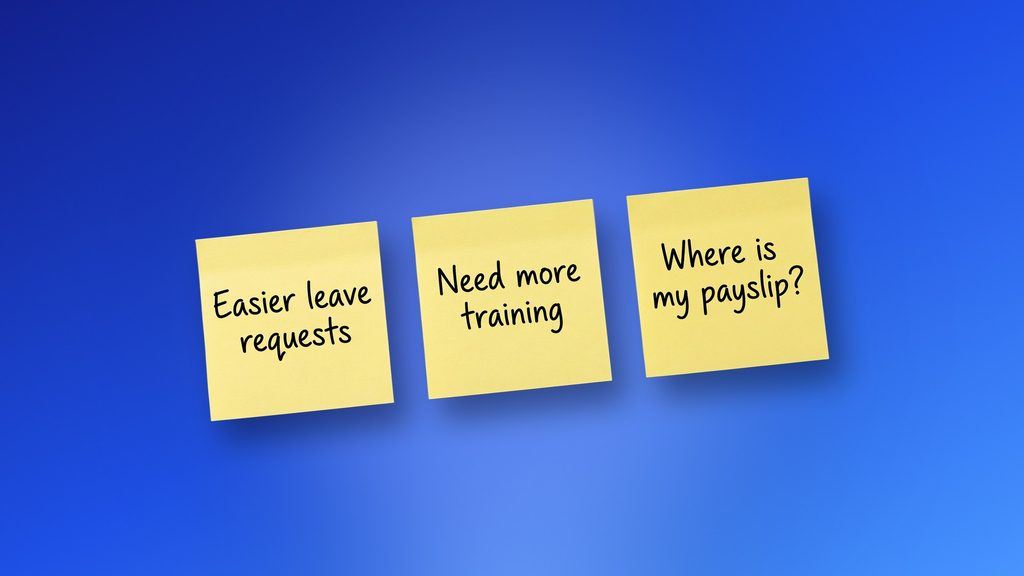
Launching on time isn’t the whole story. Worth tracking:
- Adoption rates
- Training completion
- Engagement
- Employee feedback
- Productivity
- Error rates
- Help requests
- Turnover
- Whether project goals were actually hit
Combining business data with employee feedback gives you a much fuller picture. High adoption numbers might look great — but if support tickets keep piling up, that’s a sign more training’s still needed.
Common Mistakes Worth Avoiding
- Communicating too late
- Talking only about business benefits, never the employee impact
- Brushing off employee concerns
- Skimping on training
- Expecting instant adaptation
- Leaving managers out of the loop
- Dropping support the moment the change goes live
- Measuring launch success without measuring actual adoption
A change can be technically “done” and still be a failure if nobody actually understands, uses, or sees the point of it.
How HR Technology Supports Change Management
Technology gives HR real visibility and control during periods of change instead of piecing things together from disconnected spreadsheets; a centralized system keeps workforce information in one place.
The right platform can help you:
- Centralize employee information
- Track training
- Monitor performance and goals
- Collect feedback
- Spot skills gaps
- Manage development
- Generate workforce reports
- Watch broader workforce trends
bluworks pulls key workforce information and HR processes together, helping teams understand their workforce and support people as responsibilities and processes shift.
Better visibility into that data also means HR can spot where extra training or support is actually needed based on real signals, not guesswork.
Conclusion
Organizational change is never easy, but HR has real power to make the transition smoother. Clear communication, real employee involvement, solid training, manager support, and honest measurement all help people adapt with a lot more confidence.
By pairing good change management with better workforce visibility, HR teams can support their people while still helping the business move forward.
bluworks brings workforce information, employee development, performance, and other HR processes together in one place, helping organizations stay organized as things evolve.
Frequently Asked Questions
What’s HR’s role in managing change?
HR manages the human side of change like communicating, preparing people, training, supporting managers, addressing concerns, and tracking how well the change is actually landing.
How can HR reduce resistance to change?
By communicating early, explaining the “why,” involving employees where possible, providing real training, and addressing concerns before they grow into bigger problems.
How does HR technology support change management?
It centralizes workforce data, tracks training and performance, gathers employee feedback, and flags skills gaps, giving HR the visibility to see how people are actually adapting and where more support is needed.