

Every organization needs strong leaders to keep growing. But what happens the day a key manager resigns out of nowhere, a longtime employee retires, or the business suddenly needs someone ready to step up?
Without succession planning, filling that gap gets messy fast. Disrupted operations, expensive last-minute recruiting, and extra pressure dumped on whoever’s left holding things together.
Rather than scrambling once a critical seat opens up, organizations can spot future leaders early and start developing them well before they’re actually needed.
And this isn’t just an executive thing. It applies just as much to managers, team leads, and specialists whose roles matter more than their job title might suggest.
This guide covers what succession planning actually is, why it’s worth doing, how to build a plan, and where HR technology can help.
What Is Succession Planning?
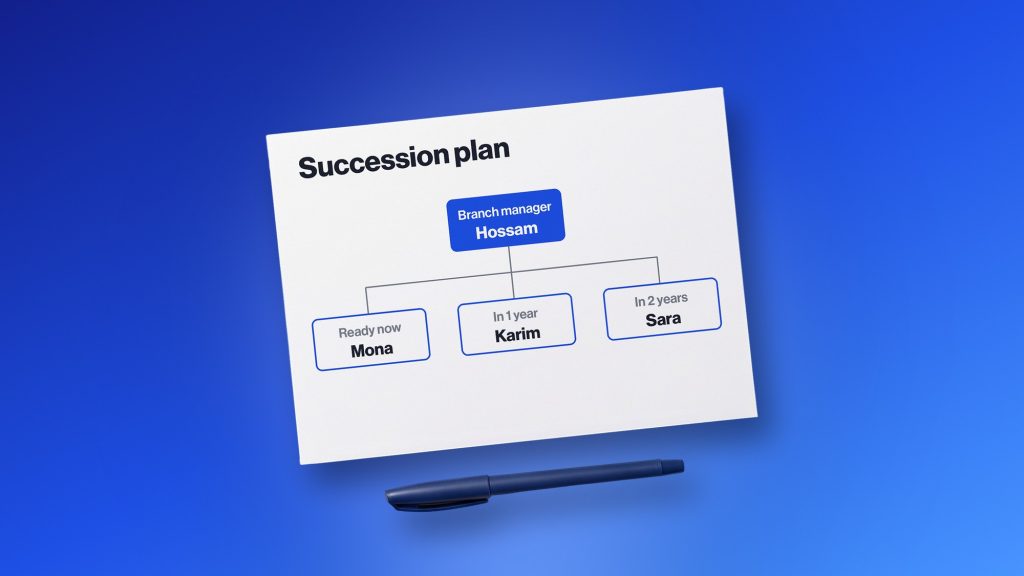
At its core, it’s identifying the roles that matter most to your organization and getting qualified people ready to step into them down the line.
The goal is a real internal talent pipeline — so when a leadership role or other critical position opens up, you’re not starting from zero.
This is different from replacement planning, which is really just about patching a vacancy after the fact. Succession planning plays the longer game.
Instead of waiting for a department manager to quit and then scrambling to backfill, HR can spot people with leadership potential and start developing them well before the seat is even empty. It’s good for the business, and honestly, it’s good for the employee too.
Why Bother With Succession Planning?
A solid plan pays off in a few concrete ways:
- Avoids leadership gaps. Successors are ready before a critical role actually opens up.
- Supports continuity. Less disruption when someone leaves unexpectedly.
- Builds internal talent. People get real chances to grow into bigger roles.
- Improves retention. People stick around longer when they can actually see a path forward.
- Cuts recruiting costs. Promoting from within often beats scrambling for an outside hire under time pressure.
- Supports growth. A strong pipeline means people are ready to step up as the business expands.
- Protects institutional knowledge. Developing people internally keeps hard-won expertise from walking out the door.
Which Roles Actually Need a Succession Plan?
You don’t need one for every single position — just the ones where an unexpected vacancy would actually hurt.
Think about roles that are:
- Critical to daily operations
- Genuinely hard to replace
- Highly specialized
- Responsible for important decisions
- Likely to open up soon due to retirement or planned moves
- Important to where the business is headed
Leadership roles get most of the attention, but don’t overlook specialists. If only one person really understands a critical process, that’s just as risky as an open management seat — maybe more so.
Building a Succession Plan
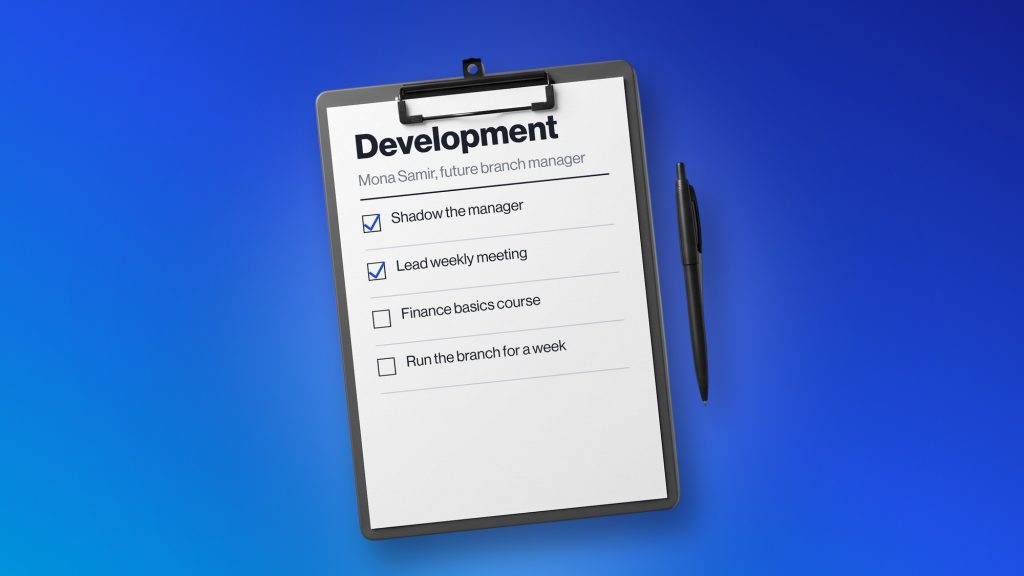
This doesn’t need to be complicated. A structured process makes it a lot easier to identify future leaders and actually prepare them.
Step 1: Identify Critical Roles
Start by asking what would actually happen if someone in a given role left tomorrow. Would projects stall? Would decisions get stuck? Would you struggle to find anyone with that kind of expertise?
Those answers tell you which roles genuinely need a succession plan.
Step 2: Define What the Role Will Actually Require
Once you’ve picked the critical roles, figure out what someone would need to succeed in them — technical skills, leadership ability, experience, qualifications, communication, strategic thinking, decision-making.
Also worth considering: how might the role itself change? What it takes to lead a team today isn’t necessarily what it’ll take in two years.
Step 3: Spot Potential Successors
Look for people who show strong performance, real leadership potential, relevant skills, good problem-solving, and genuine interest in growing.
But here’s the catch — your best individual performer isn’t automatically your best future leader. Leadership takes a different set of skills entirely: delegation, communication, decision-making, the ability to actually support other people.
Step 4: Look for the Gaps
Compare where potential successors are now against what the future role will actually require.
Someone might be technically excellent but have never managed people. In that case, their development might lean heavily on leadership training, coaching, and small projects to lead.
Spotting these gaps early gives people time to actually grow into the role instead of being thrown in unprepared.
Step 5: Build Individual Development Plans
Once you know what’s missing, build a real plan for each potential successor — training, mentoring, coaching, stretch assignments, job rotations, leadership opportunities.
Give each plan clear goals and timelines so progress is actually trackable, not just a vague intention.
Step 6: Let People Practice Leadership for Real
Training only goes so far — people need to actually do the thing. Let potential leaders run a project, manage a small team, contribute to strategic work, own a new process, or mentor someone else.
This builds real confidence, and it gives managers a much clearer read on who’s actually ready.
Step 7: Keep Checking In
Succession planning isn’t something you do once and file away. Skills change, priorities shift, and someone who looked like a strong future leader last year might move on, change roles, or decide leadership just isn’t for them.
Revisit the plan regularly and adjust as needed.
Succession Planning vs. Replacement Planning
They’re related, but they’re not the same thing.
| Succession Planning | Replacement Planning |
| Long-term approach | Short-term response |
| Develops internal talent | Fills an immediate vacancy |
| Focused on future leadership | Focused on immediate continuity |
| Includes real development | Often skips development entirely |
| Considers future needs | Usually just addresses current requirements |
You can use both, but succession planning is what actually gets you ahead of the problem instead of reacting to it.
Common Mistakes Worth Avoiding
A few things that trip organizations up:
- Only planning for the executive suite. Managers and specialists can matter just as much.
- Picking successors based purely on current performance. Being great at the job today doesn’t automatically mean someone’s ready to lead people.
- Not talking about career paths openly. People can’t develop toward something they don’t know exists.
- Identifying potential without acting on it. Spotting talent means nothing without real development behind it.
- Betting on just one successor. If that person leaves or changes direction, you’re back to square one.
- Letting the plan go stale. Things change, so make sure to revisit any plans regularly.
- Making it too secretive. Sensitive info needs care, sure, but open conversations about growth still matter.
Best Practices Worth Following
A few things that make succession planning actually work:
- Start before a role is vacant, not after
- Tie the plan to real business goals
- Focus on potential and skills, not just job titles
- Give people real development opportunities, not token ones
- Encourage regular career conversations between employees and managers
- Get managers involved in spotting and developing talent
- Keep more than one potential successor in the wings for critical roles
- Review the plan regularly
- Let workforce data inform the decisions, not just gut feel
The goal isn’t predicting exactly who fills every future seat — it’s making sure you’ve got a deep enough bench of capable people developing the skills they’ll need.
How HR Technology Helps
Managing this manually gets hard fast as organizations grow — skills, performance, training, career goals, development plans, all scattered across spreadsheets and systems that don’t talk to each other.
HR technology brings it together. With the right platform, you can:
- Maintain employee profiles and skills data
- Track performance
- Spot development needs
- Monitor training and certifications
- Set and track goals
- Maintain development plans
- Generate workforce reports
- Identify emerging skills gaps
- Support broader workforce planning
Having all this visible in one place makes it a lot easier for HR and managers to spot future leaders and actually build targeted plans around them.
Platforms like bluworks give HR teams clearer visibility into employee skills, performance, and development, helping build a stronger internal pipeline.
Conclusion
Succession planning is what lets organizations get ahead of the problem instead of scrambling once a critical seat opens up.
Spot potential leaders early, understand what they need to grow, and give them real chances to develop, and you end up with a workforce that’s actually ready for what’s next.
With bluworks, HR teams can manage employee data, track skills and performance, and support development all in one place, making it easier to prepare future leaders well ahead of time.
Frequently Asked Questions
What is succession planning in HR?
It’s the process of identifying an organization’s most critical roles and preparing employees to step into them down the road, supporting continuity while building internal talent along the way.
How do you spot future leaders?
Look at performance, leadership potential, relevant skills, problem-solving ability, and genuine interest in growth. Current performance matters, but it’s really potential that should drive the decision.
How does HR software support succession planning?
It centralizes employee data, tracks skills and performance, flags development gaps, and supports individual growth plans, giving HR teams the visibility to build a real talent pipeline instead of guessing.