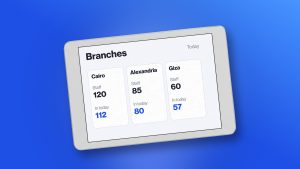
Managing people just gets more complicated as a business grows. More employees means more records, more attendance data, more leave requests, payroll details, documents, schedules — the whole pile of daily HR tasks just keeps stacking up.
For a lot of Egyptian companies, the traditional approach — spreadsheets, paperwork, emails, a handful of separate systems — works fine while the team’s small. But once things start expanding, that same setup gets time-consuming fast, and honestly hard to keep straight.
That’s a big part of why more businesses are looking at HR software heading into 2026. Modern platforms pull the important workforce processes together, automate the repetitive stuff, and give HR teams a much clearer view of who’s actually on their payroll and what’s going on with them.
This isn’t really about swapping paperwork for software, though. It’s about building HR operations that are actually efficient enough to support people and keep pace as the business grows.
What Is HR Software?
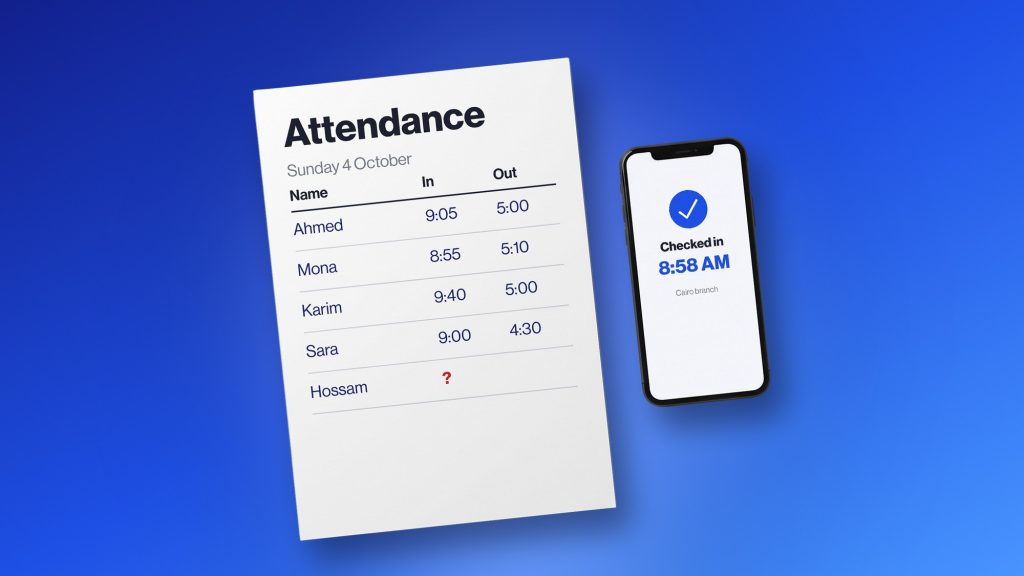
HR software is just a digital system for managing employee information and the everyday processes that come with it.
Depending on the platform, that might include:
- Employee records
- Attendance tracking
- Leave management
- Payroll
- Employee scheduling
- Performance management
- Employee self-service
- HR reporting
- Workflow automation
Instead of running all of that across a dozen spreadsheets, emails, and scattered documents, businesses get to pull most of it into one place.
What actually fits depends on the organization’s size, how the workforce is structured, current HR processes, and where the business is headed.
Why Are Egyptian Companies Moving Away From Manual HR Processes?
Manual processes get harder to manage the bigger a business gets — that’s really the whole story.
HR teams often end up with employee info scattered across different spreadsheets, attendance tracked in a separate place entirely, and leave requests floating around in emails or a group chat somewhere. Payroll ends up depending on info manually pulled together from several different spots.
That creates a handful of genuine headaches:
- Employee information gets hard to actually find
- Manual attendance tracking eats up real time
- Leave approvals involve more back-and-forth than they should
- Manual data entry leads to mistakes
- HR reports can take hours just to put together
- Employees end up contacting HR for things that should be self-service
- Managers get limited visibility into their own teams
- Growing teams become harder to manage consistently
All of that pushes businesses toward something more connected and automated.
8 Reasons Egyptian Companies Are Switching to HR Software in 2026
1. Growing Workforces Are Harder to Manage Manually
As a company hires more people, HR admin grows right alongside it.
Managing 20 employees on a spreadsheet is manageable. Managing hundreds across different teams, schedules, or locations is genuinely a different problem entirely.
HR software gives organizations one central place to manage all of that. It makes it easier to keep records straight, monitor activity, and handle the everyday stuff as the business scales.
The point is really to make HR operations scalable, rather than just piling on more manual work every time someone new gets hired.
2. Businesses Want to Reduce Manual HR Work
HR teams spend a genuinely large chunk of their time on repetitive admin — updating employee info, processing leave requests, tracking attendance, sending reminders, pulling reports together.
Automation cuts a lot of that manual load. An employee submits a leave request through the system, a manager approves it, and everything updates on its own without HR having to babysit every single step.
That frees HR people up to actually focus on things like employee development, workforce planning, and improving the day-to-day experience — the stuff that actually needs a human, not a spreadsheet.
3. Attendance and Workforce Management Are Becoming More Complex
Attendance isn’t just “did they show up today” anymore, not really.
Businesses juggle different shifts, schedules, locations, flexible arrangements. Managers still need to understand staffing levels and spot when a team’s running at capacity, or beyond it.
HR software pulls attendance, schedules, and workforce data into one place, giving managers a much clearer picture of how their teams are actually operating day to day. Makes it easier to spot patterns, manage schedules, and make workforce calls based on something real.
4. Employees Expect Easier Access to HR Services
People increasingly expect this stuff to just be simple.
Checking a leave balance, submitting a request, updating personal info, grabbing a document — none of that should require an email to HR and a two-day wait.
Employee self-service handles a lot of this directly. And HR benefits too, since fewer routine requests need manual handling — employees get faster answers, and HR gets to focus on the more complicated stuff.
5. Businesses Need More Accurate Workforce Data
Good HR decisions genuinely depend on good information.
When data’s scattered across a bunch of spreadsheets and separate systems, it’s hard to get a real, clear picture of what’s actually happening across the organization.
HR software centralizes the important stuff and makes it easier to keep an eye on things like:
- Headcount
- Attendance
- Leave
- Turnover
- Performance
- Workforce capacity
Organized data like this means HR and managers can make calls based on actual information, not a hunch.
6. Hybrid and Flexible Work Require Better Systems
Flexible arrangements make workforce management genuinely more complicated.
When people are working different schedules or locations, the old-school processes just don’t give HR and managers enough visibility anymore.
A centralized system keeps employee info, attendance, schedules, and everything else organized — which matters a lot for companies mixing office-based, remote, and flexible staff all at once.
7. Businesses Are Preparing for Growth
HR software isn’t just about fixing today’s admin headaches. It’s also about being ready for tomorrow.
Companies planning to grow need HR processes that can handle more people without creating a mountain of extra admin work. Getting structured processes in place early tends to make growth a lot easier to handle later — instead of creating a new spreadsheet or manual workaround every time headcount changes.
8. HR Teams Need to Become More Strategic
HR’s role in business planning keeps growing.
Rather than spending most of their day on admin, HR professionals get to actually contribute to workforce planning, retention, skills development, performance, succession planning — the higher-value stuff.
Automation cuts down the repetitive work, and workforce data provides the insight to actually back up decisions. Technology’s not replacing HR here — it’s giving HR teams more time and better information to focus on the parts of the job that genuinely need human judgment.
Key HR Software Features Egyptian Businesses Should Look For
Not every business needs the same platform or the exact same features. But a few capabilities are worth weighing across the board:
- Employee database — centralized profiles and records
- Attendance tracking — a clearer view of who’s actually working when
- Leave management — simpler requests, approvals, and tracking
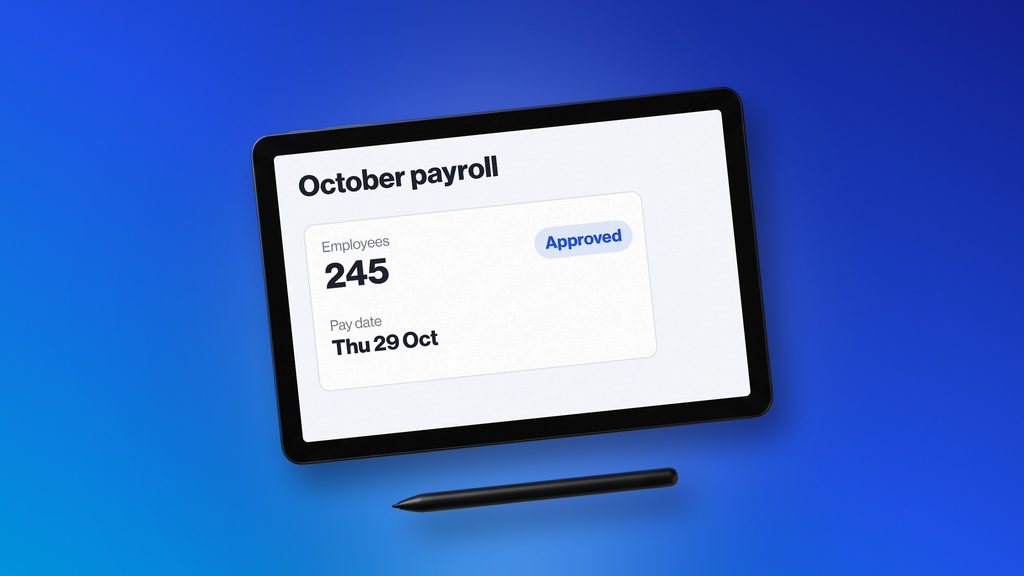
- Payroll management — more organized, less error-prone payroll
- Shift scheduling — tools for managing different shifts and schedules
- Employee self-service — easier access to info and requests
- Document management — centralized storage for important files
- Performance management — tools for goals, reviews, progress
- Reporting and analytics — workforce insight for better decisions
- Workflow automation — automated approvals, reminders, routine tasks
- Mobile accessibility — HR services reachable from a phone
- Security and access controls — protection for sensitive data
- Integration capabilities — connects with other business systems
- Scalability — grows alongside the company
The real priority is picking features based on your actual HR pain points, not just going with whatever platform’s feature list happens to be the longest.
How to Choose the Right HR Software in Egypt
Before picking a platform, start by figuring out which processes are actually causing the most trouble.
Is HR spending too much time on attendance? Are employee records a mess? Are leave requests all handled manually, by hand, every time? Does management lack the workforce data they actually need?
Once that’s clear, weigh a few more things:
- Think about your workforce — headcount, locations, schedules, expected growth
- Check scalability — can it support more employees, departments, or locations down the line?
- Evaluate ease of use — it needs to genuinely work for HR, managers, and employees, not just look good in a demo
- Review security — employee data’s sensitive, so check exactly how it’s protected and who can see what
- Consider integrations — if payroll, accounting, or attendance already run elsewhere, check they’ll actually connect
Common Mistakes to Avoid When Switching to HR Software
Moving to a new system can genuinely pay off, but only with a bit of planning. Worth avoiding:
- Choosing software purely on price
- Automating processes that were never properly organized in the first place
- Paying for features the business doesn’t actually need
- Leaving employees and managers out of the selection process entirely
- Not planning implementation properly
- Skimping on training
- Treating data security as an afterthought
- Picking software that can’t actually scale with the business
- Expecting instant adoption from day one
A successful rollout takes more than just installing the software. People need to actually understand how it works and how it makes their day-to-day easier — otherwise it just sits there unused.
Conclusion
The shift toward HR software really reflects a bigger need — managing a workforce efficiently as things grow more complex. As Egyptian companies expand and adopt more flexible ways of working, manual HR processes just get harder to sustain.
The right software cuts admin work, improves visibility, gives employees easier access to HR services, and provides the data businesses actually need to make better calls.
For organizations considering the move in 2026, bluworks is worth a look. Check out our bluworks review to learn more, or request a demo to see how it might fit your own workforce management needs.
Frequently Asked Questions
Why are Egyptian companies adopting HR software?
To cut manual admin, manage growing workforces, improve attendance and workforce visibility, offer employee self-service, organize employee data, and support better HR decision-making overall.
What HR software features does a business need?
Core ones worth considering include employee management, attendance, leave management, payroll, scheduling, self-service, reporting, workflow automation, security, integrations, and scalability. What combination actually matters depends on the company’s specific needs.
Is HR software suitable for small businesses in Egypt?
Yes. It can help small businesses organize employee information, cut repetitive admin, and set up structured processes before the workforce grows large enough to become genuinely hard to manage. Picking something scalable also sets the business up well for future growth.