Hiring for an operational role sounds simple on paper. A spot opens up, a job gets posted, candidates get interviewed, someone gets hired. Done.
Except finding the right person is only half the job. That new hire still has to understand the role, get through whatever steps come next, and show up ready for their first shift.
For businesses running on hourly staff and frontline teams, a delay anywhere in that chain hits the floor directly. A vacant shift means someone else is covering. That means more pressure on the people already there. Eventually it shows up as longer waits for customers. Even once an offer’s accepted, bad communication or a messy first day can still throw everything off.
Operational hiring works when every stage of it is actually planned out, not just the part where you post the job. Here’s where it tends to go wrong, and what fixes it.
Why Operational Hiring Needs a Different Approach

Operational roles ask for things beyond a resume and a few years of experience. Physical tasks, shift availability, location, how fast someone can actually start. All of this matters as much as qualifications do.
A restaurant might need a kitchen worker who can handle a packed dinner rush on evening shifts. A warehouse needs people who’ll actually follow safety procedure and show up for a set shift pattern. A retail store needs someone who can work the floor and cover weekends without complaint.
All of this ties operational hiring directly into day-to-day business needs. One open position doesn’t just sit there quietly. It shows up in everyone else’s workload.
A hiring process built for office jobs usually doesn’t translate well here. Long application forms, multiple interview rounds, vague job descriptions. All of it tends to push away exactly the candidates a business actually needs. What works is a process that’s clear and efficient without skipping the checks that actually matter.
6 Places Operational Hiring Goes Wrong
Unclear Hiring Requirements
Things can go sideways before the job’s even posted. If the requirements aren’t clearly spelled out, the applications that come in won’t match what’s actually needed.
A job description that only lists vague responsibilities skips the stuff that actually matters: hours, location, required skills, what the work day actually looks like. Candidates end up applying without really knowing what they signed up for.
A restaurant job post might say “looking for a team member” without clarifying whether that means kitchen prep, serving customers, cleaning, or some rotating mix of all three.
That gap leads straight to mismatched expectations and wasted screening time on both sides.
What to do instead: Define the role properly before posting anything. List the main responsibilities, required skills, hours, location, and anything else that matters. Clear expectations up front let candidates self-select, deciding whether the role actually fits before they even apply.
Recruiting Through the Wrong Channels
Even a well-written job post goes nowhere if it’s posted somewhere the right candidates aren’t looking.

A business hiring warehouse workers posting only to a generic job board is going to get a pile of applications. Just not from people who actually fit the role. Volume goes up, relevance goes down.
Vague job titles or missing details make this worse too, since a lot of candidates search by specific terms they already know.
What to do instead: Match the recruitment channel to the role and the people actually looking for it. Job platforms, employee referrals, local channels. A mix usually works better than one source. The goal isn’t more applications; it’s more applications from people who actually fit.
Slow Screening and Hiring Decisions
Operational roles usually need filling fast. Hiring slows down the moment applications get reviewed inconsistently, a manager’s unavailable for a week, or a decision just sits there too long.
Good candidates don’t wait around forever. Someone actively job hunting and ready to start will take whichever offer comes first.
Delays also show up when the hiring team hasn’t actually agreed on what matters. One manager’s weighing experience, another’s focused on availability, and nobody’s aligned.
What to do instead: Lock in clear selection criteria before reviewing a single application. Keep screening tight to what the role actually needs, and schedule interviews quickly. Someone needs to own the final call, and candidates need a clear sense of the timeline.
Not Checking Practical Skills or Availability
Plenty of experience on paper doesn’t guarantee fit. Someone’s availability might not match the shifts needed, or they might be missing a practical skill the job actually requires.
This gets overlooked constantly when hiring leans too heavily on resumes and general interview questions.
A retail candidate might have solid customer service experience but can’t actually work the evening shifts the role requires. A kitchen hire might have restaurant experience but still need training on a specific task the kitchen relies on.
What to do instead: Confirm shift availability and location early, not after an offer’s already on the table. Ask focused questions about the actual experience that matters, and use practical assessments where it makes sense. A short task or demonstration often tells you more than an interview ever will.
Delays Between Job Offer and First Day
Accepting an offer isn’t the finish line. There’s a whole stretch of time between that and the employee actually walking in for their first shift.
During that gap, candidates are waiting on confirmation, document requirements, a start date, something. Go quiet during that window, and they start wondering if the offer’s even real.
Businesses lose candidates here too, sometimes without realizing it. Someone who accepted an offer can still be weighing other options if nobody’s followed up.
What to do instead: Send clear offer details and confirm the start date up front. Explain what documents they need, where to show up, and who to contact if something comes up. A quick confirmation message right before day one goes a long way toward avoiding confusion.
Poor First-Shift Preparation
Someone shows up on time, ready to work, and nobody’s actually prepared for them.

They don’t know where to go, who’s supervising them, what equipment they need, or how the shift’s structured. Uniform’s not ready. Access isn’t set up. Training hasn’t happened.
That’s a rough first impression, and it leaves the new hire feeling unsupported from day one. It also pulls a manager away from their own work just to scramble everything together last minute.
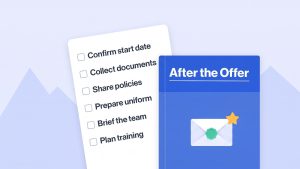
What to do instead: Put together a simple first-day checklist. Confirm the schedule, where they’re reporting, who’s supervising, what equipment’s needed, and whatever initial training has to happen. Assign someone to actually introduce them to the team and walk through what the role involves.
A first shift that’s organized properly sets the tone for everything that follows.
How Hiring Delays Affect Business Operations
When operational hiring breaks down, it doesn’t stay contained to the recruiting team.
- Understaffed shifts. Open vacancies mean existing staff absorb extra tasks or extra hours, which makes day-to-day operations that much harder to manage.
- Higher recruitment costs. Re-posting, re-screening, re-interviewing. All of it costs time and money. Lose a good candidate mid-process and the business is starting over.
- Lower employee morale. Covering for vacant positions wears on current staff. Heavier workloads chip away at motivation over time.
- Poor experience. In restaurants and retail especially, being short-staffed shows up directly as slower service and less attention for customers.
- Early employee turnover. New hires who walk into unclear expectations or a messy onboarding often struggle to settle in. If the job doesn’t match what they expected, they don’t stick around long.
All of this is why hiring works better when treated as one connected process, rather than a checklist of separate tasks.
How to Make Operational Hiring Faster and More Reliable
- Define job requirements before recruiting. Make sure the job description actually covers responsibilities, skills, location, and shift expectations.
- Use relevant recruitment channels. Pick platforms and sources that reach the candidates actually suited to the role.
- Keep screening and interviews focused. Assess what matters most; skip the steps that don’t add anything.
- Confirm availability early. Check shift fit and location before getting too far into the process.
- Communicate regularly. Keep candidates updated on status, offer details, and start date.
- Prepare for the first shift. Have documents, equipment, schedules, and training sorted before they walk in.
- Track hiring progress. Look at how long each stage takes and where candidates tend to drop out.
A process that’s consistent makes filling vacancies faster and makes the whole experience clearer for candidates and managers alike.
How HR Software Helps Organize Hiring and Workforce Readiness
As a business grows, managing recruitment, employee records, onboarding, and attendance across separate files starts to break down. HR software helps bring all of this together and smooths the handoff from hiring into day-to-day workforce management.
Bluworks supports this through features like:
- Centralized employee information. New hire details and records kept organized and accessible in one place.
- Onboarding support. Managing employee information and getting new hires ready for day one.
- Workforce planning. Connecting staffing needs directly to shift schedules and availability.
- Attendance tracking. GPS-based clock-ins that start recording from the first shift onward.
- Organized employee records. Documents and employment details kept in one accessible place.
- Workforce visibility. A clearer view for HR and managers into staffing needs and employee information.
Get these processes organized and the administrative load drops, making it easier to get new employees actually ready for their roles.
Conclusion
Operational hiring is more than just filling an open seat. From defining what the role actually needs, through finding the right candidates, to confirming offer details and getting the first shift ready, every stage shapes how smoothly someone actually joins the team.
Vague job descriptions, slow decisions, weak communication, and a messy onboarding all lead to the same place: delays, staffing gaps, and people leaving not long after they started. Tighten up each stage and the whole hiring experience improves, for the business and for the new hire.
Bluworks helps organize employee records, onboarding, attendance, and workforce management, supporting a smoother path from hiring straight through to the first shift.
Frequently Asked Questions
What are the biggest challenges in operational hiring?
Unclear job requirements, reaching the right candidates, slow decisions, shift availability that doesn’t line up, and weak onboarding. All of it tends to delay hiring and leave teams short-staffed.
How can businesses reduce the time it takes to hire operational employees?
Simplify the job description, use the right recruitment channels, set clear selection criteria, confirm availability early, and stay in touch with candidates throughout. Getting onboarding steps ready before day one also cuts down on delays.
Why is onboarding important for frontline and shift workers?
It gives new employees a real understanding of their responsibilities, schedule, workplace procedures, and safety requirements. A clear first day helps people settle in faster and cuts down on confusion once the shifts actually start.