Any business running on hourly workers needs a reliable way to track hours and get wages right. Restaurant staff, retail teams, factory floors, multiple branches; it doesn’t matter the setup, a small payroll mistake still causes real problems.
Someone gets paid for fewer hours than they actually worked. Overtime gets calculated wrong. A rate that changed weeks ago never made it into the system. None of these are dramatic on their own, but they add up fast: complaints, extra admin work, and costs nobody budgeted for.
It only gets harder as the team grows. Spreadsheets, paper timesheets, and manual math are manageable at a small scale, and genuinely painful at a larger one.
Knowing where these mistakes usually happen is most of the battle. Here’s what to watch for.
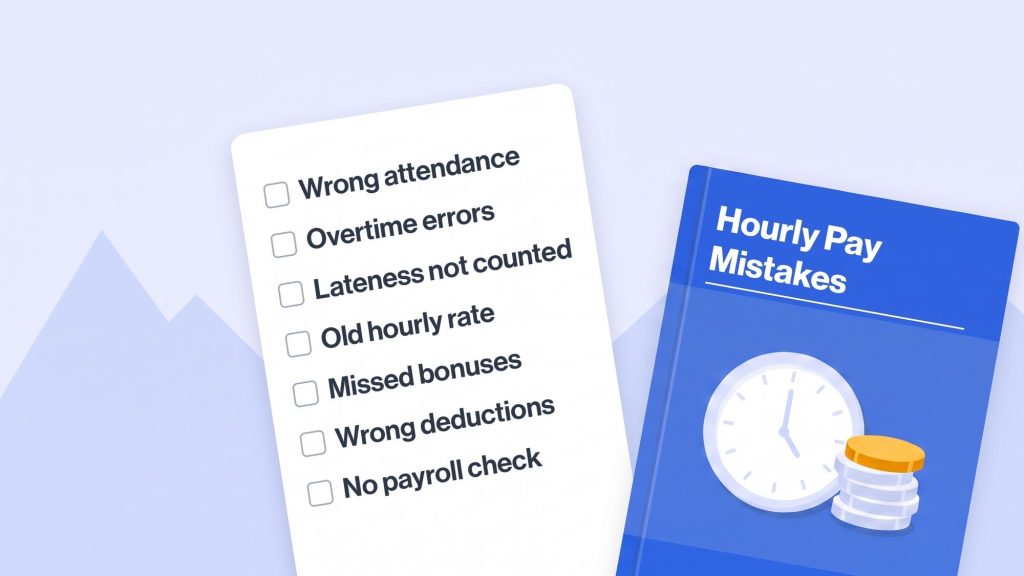
7 Common Hourly Pay Mistakes That Cost Businesses Time and Money
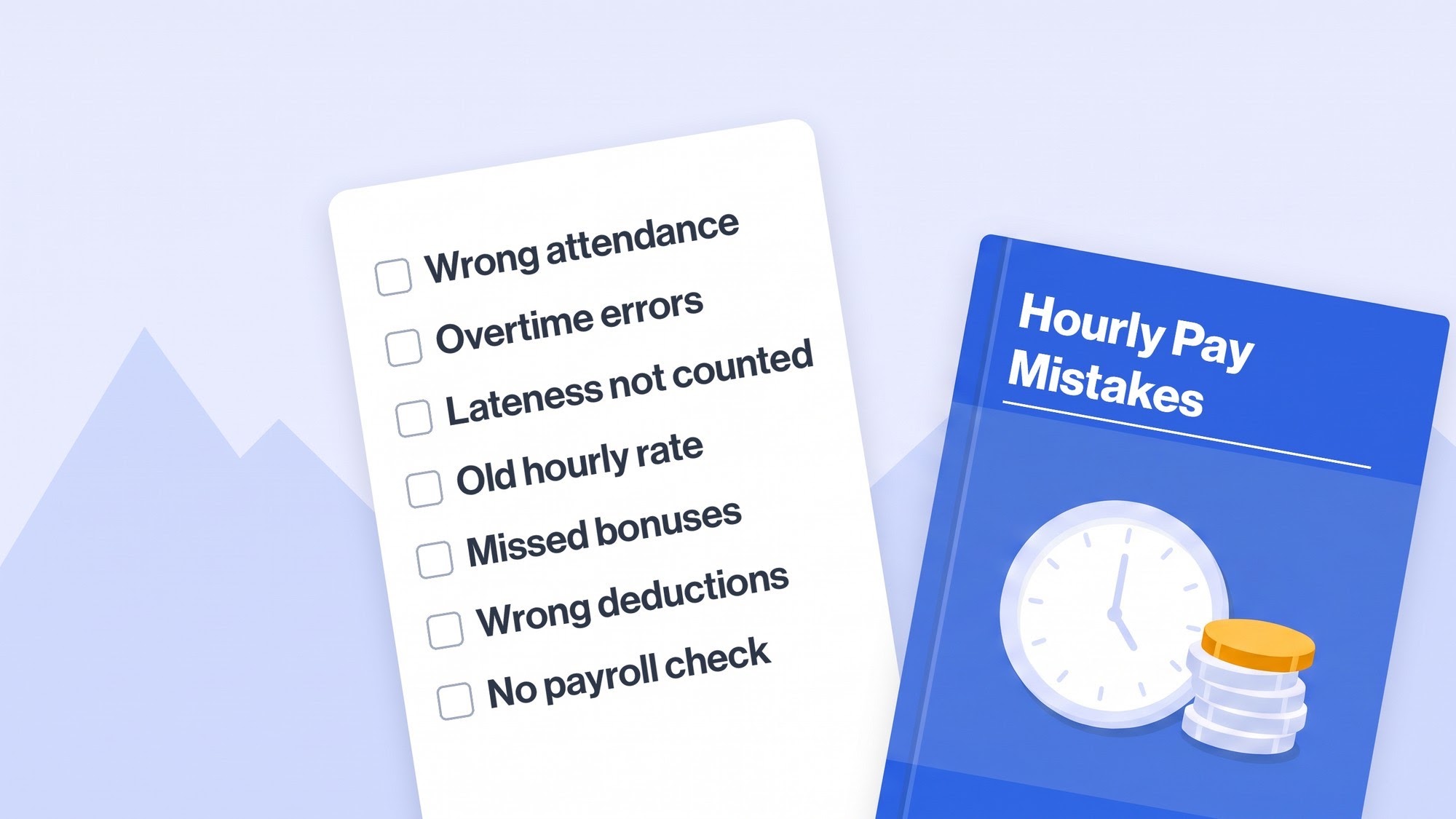
Hourly payroll has a lot of moving parts that need checking before anything gets paid out. Here are seven worth paying close attention to.
Relying on Inaccurate Attendance Records
Everything starts with the attendance record. Get that wrong, and the paycheck’s wrong too; no way around it.
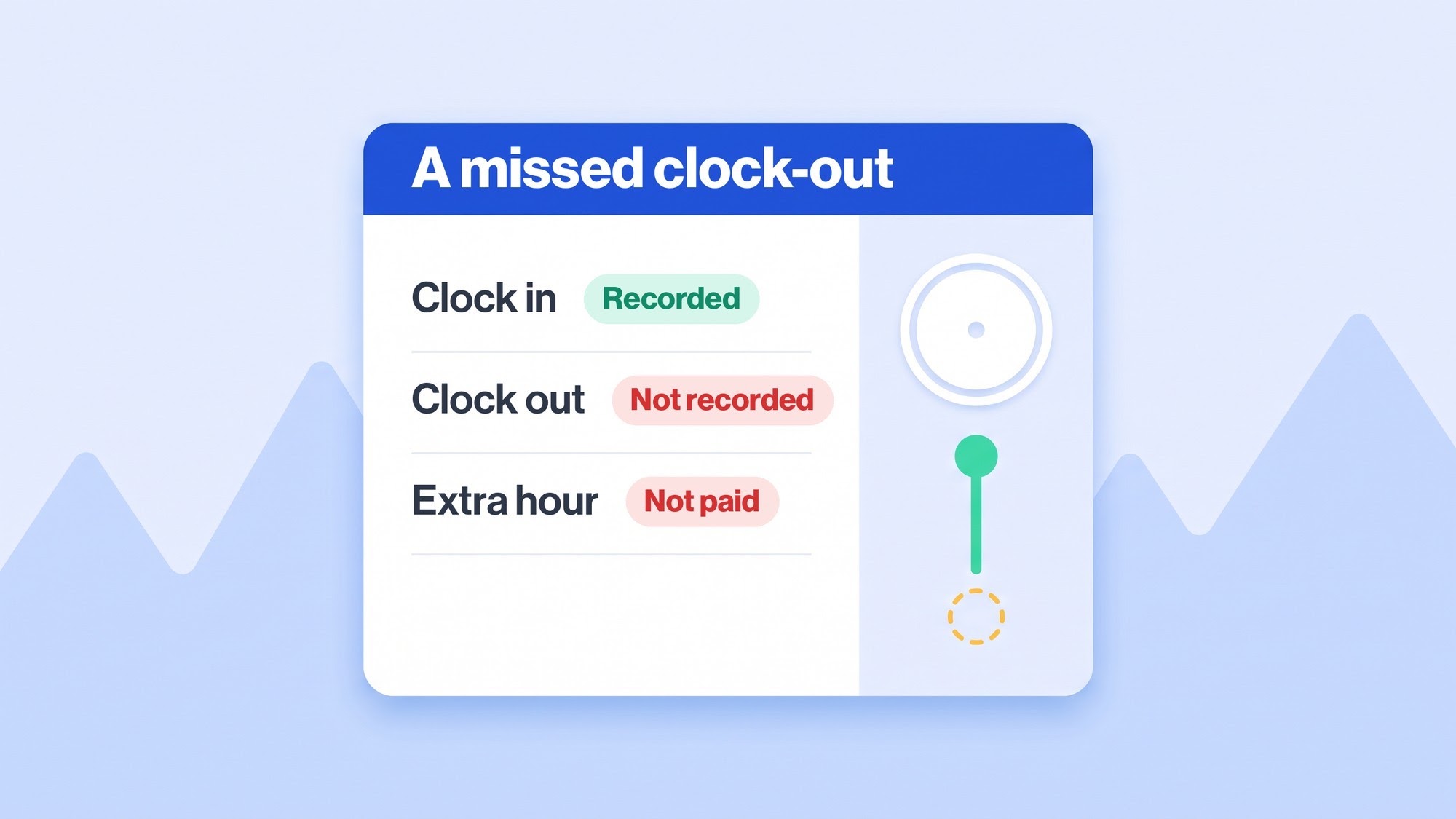
A lot of businesses are still running on paper timesheets or spreadsheets where someone manually types in hours worked. That’s just an open door for mistakes. Employees forget to log a clock-out, managers miss a blank entry, and nobody catches it until it’s too late.
Say someone stays an extra hour but forgets to clock out properly. If nobody fixes that before payroll runs, that hour just disappears.
The fix is a reliable attendance system and a clear process for catching and correcting gaps before they become a payroll problem. Solid clock-in and clock-out data makes everything downstream easier.
Miscalculating Overtime Pay
Overtime trips people up constantly, especially anywhere shifts vary, or employees regularly cover extra hours.
Mistakes happen when HR forgets to log extra time, mixes up regular hours with overtime, or just gets the math wrong. Either way, someone ends up paid the wrong amount.
A restaurant employee stays late to help through a busy night. If that extra time never gets recorded properly, it’s gone by the time payroll runs.
What helps here: clear procedures for logging and approving overtime, and HR actually understanding the overtime rules that apply under Egyptian labor law, so the calculation is right the first time.
Not Accounting for Late Arrivals and Early Departures
Scheduled hours and actual hours aren’t always the same thing. People show up late, leave early, or miss chunks of a shift.
Calculate payroll off the original schedule alone, and none of that gets reflected. But adjusting every single hour by hand, without solid records backing it up, just introduces a different kind of inconsistency.
Someone scheduled 9 to 5 rolls in at 9:30. If the attendance record doesn’t catch that, payroll pays out the full shift anyway.
What’s needed is a consistent way to compare what was scheduled against what actually happened, so HR can catch the gap and apply the right adjustment based on policy and regulation.
Applying the Wrong Hourly Rate
Rates change. Raises happen, roles shift, agreements get updated. If none of that makes it into the payroll record, people keep getting paid off numbers that stopped being accurate weeks ago.
This gets messier fast at scale, especially across larger teams or multiple branches where pay arrangements already differ person to person.
Someone gets an approved raise mid-month. If the spreadsheet doesn’t get updated, their hours still get calculated at the old rate.
Preventing this means keeping employee records current and making sure approved changes actually reach whoever’s running payroll. A quick rate check before every payroll cycle catches a lot before it becomes a problem.
Missing Bonuses, Incentives, or Other Pay Adjustments
Hourly workers often earn more than their base wage: incentives, bonuses, commissions, approved one-off adjustments.
The trouble starts when these get tracked somewhere separate and never make it into the actual payroll calculation. HR forgets to update the sheet, or a manager never passes along the number.
A retail employee hits a sales target and qualifies for an incentive. If the manager doesn’t confirm the amount before payroll closes, that payment just doesn’t happen on time.
What fixes this is a real process for recording and approving these extras, kept alongside the regular payroll and employee records so nothing falls through.
Making Incorrect Deductions
Deductions go wrong for the same reason everything else does: bad records. HR might calculate a deduction off incorrect absence data, miss an approved leave, or work from an outdated loan balance.
Every one of these directly affects what someone actually takes home.
What matters is making sure every deduction traces back to accurate records and follows whatever policy or legal requirement applies, with attendance, approved leave, and loan balances all checked before payroll runs.
Communication matters here too. Employees should be able to look at a deduction and understand exactly why it’s there and how it was calculated.
Processing Payroll Manually Without Proper Checks
Manual payroll usually means several spreadsheets, paper records, and separate calculations stitched together by hand. HR is collecting attendance, working out hours, applying rates, adding and subtracting payments, all across different files.
The more places the same number gets typed, the more chances it gets typed wrong. One small entry error can ripple across several calculations, especially with a larger workforce.
The other issue is nobody double-checking the final numbers. Without a review step, mistakes only surface after employees have already been paid the wrong amount.
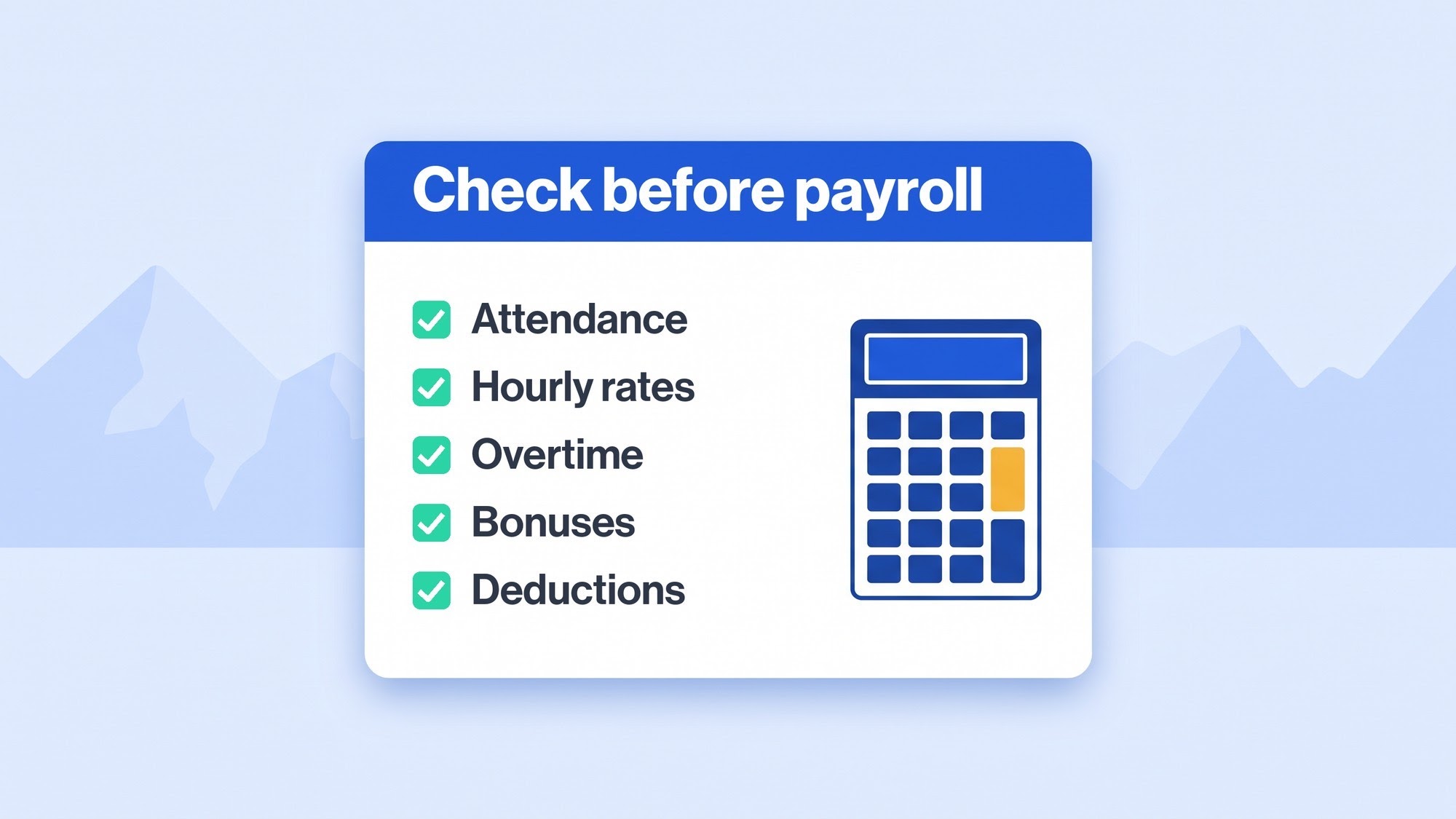
A proper payroll review, covering attendance, rates, overtime, bonuses, and deductions before anything gets finalized, catches most of this before it costs anything.
What Do Hourly Pay Mistakes Actually Cost Businesses?
Payroll errors go beyond the number on someone’s payslip. They ripple into other parts of the business too.
- Additional administrative work: HR ends up spending hours chasing complaints, re-checking timesheets, reviewing calculations, and correcting records, time that should’ve gone elsewhere.
- Unexpected payroll costs: Overpayments inflate labor costs, and missed adjustments mean extra payments down the line. Either way, the budget stops being predictable.
- Employee dissatisfaction: People expect to get paid correctly for the hours they put in. Repeated underpayment, missing incentives, or unclear deductions wear down trust fast.
- Compliance risks: Get wage calculations, overtime, or deductions wrong often enough and it becomes a real legal exposure, not just an internal headache.
- Operational disruptions: Every payroll complaint pulls a manager or HR person away from their actual work. Enough of these and it becomes a constant background distraction.
How Businesses Can Prevent Hourly Pay Mistakes
Preventing this starts with solid data and consistent process, not major overhauls.
- Use reliable attendance tracking: Capture actual hours through a real clock-in and clock-out process instead of leaning on manual timesheets.
- Keep employee pay rates updated: Make sure approved changes actually get reflected before payroll is calculated.
- Establish clear overtime procedures: Define how extra hours get logged, who signs off, and how they’re calculated.
- Review attendance before payroll: Catch missing clock-ins, absences, late arrivals, and early departures before using attendance records for salary calculations.
- Standardize payroll adjustments: One consistent process for recording bonuses, incentives, loans, and deductions, not five different ones.
- Run payroll checks before payment: Review calculations and resolve discrepancies before salaries are finalized.
Conclusion
Hourly pay mistakes cost more than money. They create extra work, chip away at employee trust, and make payroll genuinely harder to manage as the team grows.
Most of it traces back to the same root causes: inaccurate attendance, outdated rate information, or manual calculations with too much room for human error.
Better attendance tracking, up-to-date payroll information, and a real review step before payments go out all make a real difference.
Tools like Bluworks bring attendance, employee records, and payroll into one place, which makes managing an hourly workforce a lot more manageable.
Frequently Asked Questions
What are the most common mistakes when calculating hourly pay?
Wrong working hours, missed overtime, outdated rates, forgotten bonuses, and incorrect deductions top the list. Most come down to manual records and manual calculations, leaving too much room for error.
How do businesses calculate hourly pay when employees work overtime?
By recording actual hours worked, separating regular time from overtime, and applying the right overtime rate under applicable labor regulations and the employee’s own arrangement. None of this works without accurate attendance data behind it.
How can HR software reduce hourly payroll errors?
By keeping attendance, pay information, and payroll adjustments organized in one place. It also supports the actual calculations and cuts down on manual entry, making errors easier to catch before payments go out.